What separates a streamer who sounds professional from one who sounds like they're broadcasting from a tin can? The answer almost always comes down to their headset. Finding the best headsets for streaming isn't just about picking the most expensive option on the shelf — it's about matching your specific streaming setup, platform, and budget to a headset that delivers clear mic input, comfortable wear during marathon sessions, and audio quality that lets you react to in-game cues without missing a beat. Whether you're going live on Twitch, Facebook Gaming, or YouTube, this guide walks you through everything you need to make a confident purchase. If you're new to audio gear, our complete headphone buying guide covers the fundamentals worth knowing first.
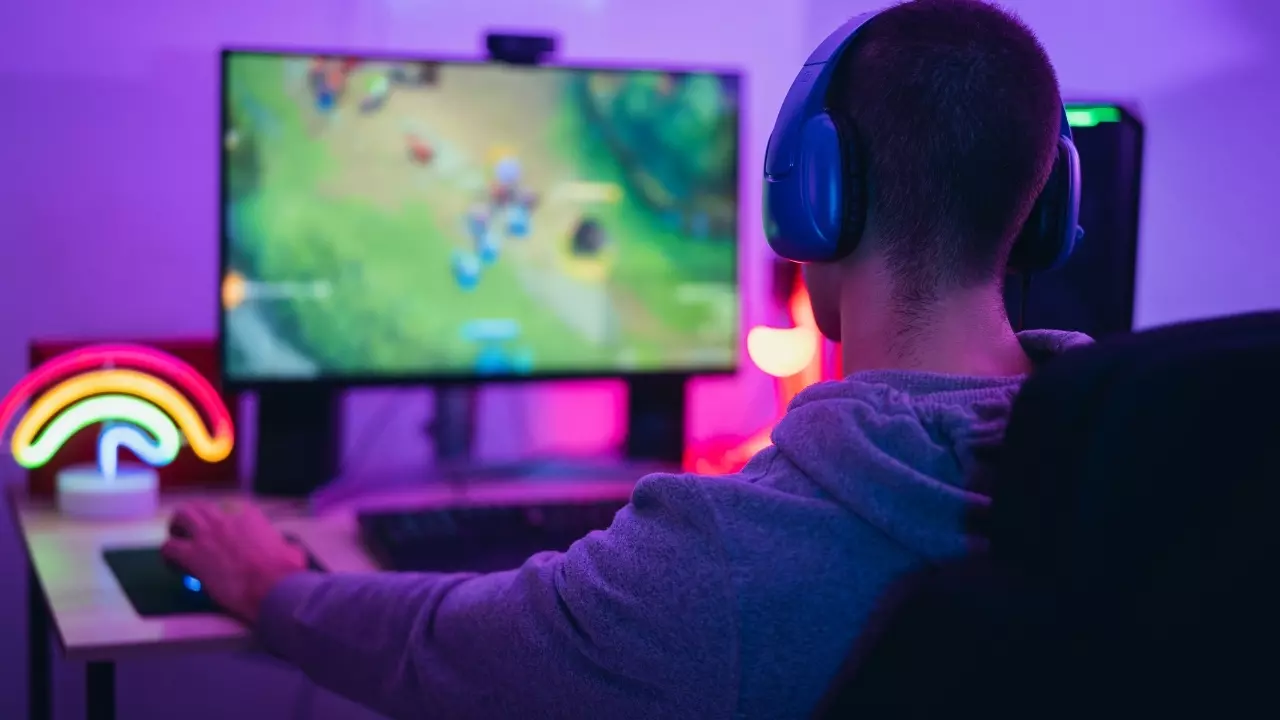
Your audience hears your microphone before they notice your gameplay. A headset with a mediocre mic forces you into buying a separate desktop microphone — an expense and desk clutter you can avoid entirely. Meanwhile, comfort determines whether you can stream for three hours or six. The right headset handles both jobs without compromise.
Below, you'll find a structured breakdown covering budget allocation, setup best practices, common pitfalls, and maintenance tips that keep your gear performing at its peak for years. Let's get into it.
Contents
How Much Should You Spend on a Streaming Headset?
Your budget determines what trade-offs you'll face. The good news: you don't need to spend $300 to sound great on stream. The streaming headset market has matured enough that solid options exist at every price point. Here's how the tiers break down in practice.
Budget Tier ($30–$80)
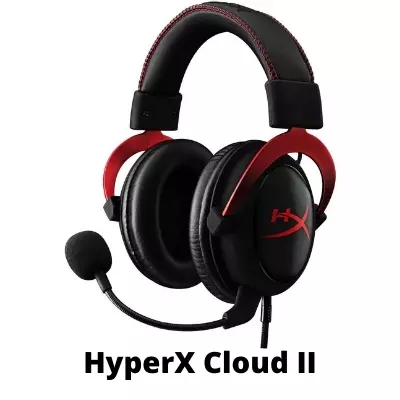
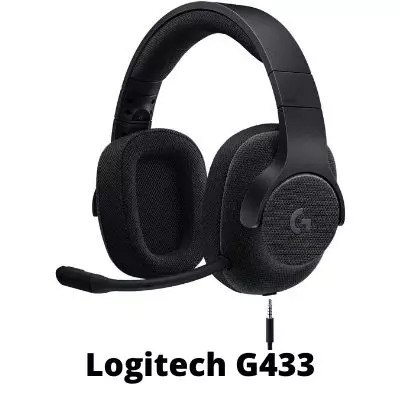
At this range, you're getting serviceable audio and a mic that works — but you'll sacrifice build quality, comfort padding, and mic clarity. These headsets handle casual streaming on Facebook or smaller Twitch channels perfectly well. The HyperX Cloud II and Logitech G433 both sit in this territory and punch above their weight.
Mid-Range Tier ($80–$180)
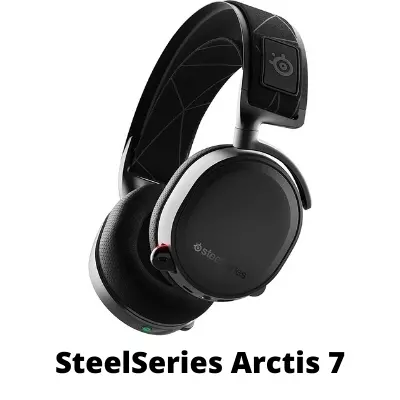
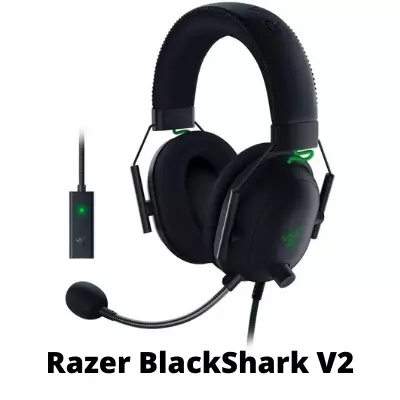
This is the sweet spot for most streamers. You get noticeably better microphone quality, improved noise isolation, and comfort features like memory foam ear cushions and lightweight frames. The SteelSeries Arctis 7 and Razer BlackShark V2 are prime examples — both deliver broadcast-quality mic performance without requiring a separate audio interface. For a deeper comparison of headsets in this price bracket, check out our best gaming headsets under $200 roundup.
Premium Tier ($180+)
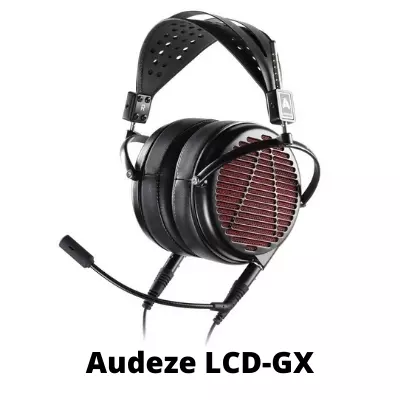
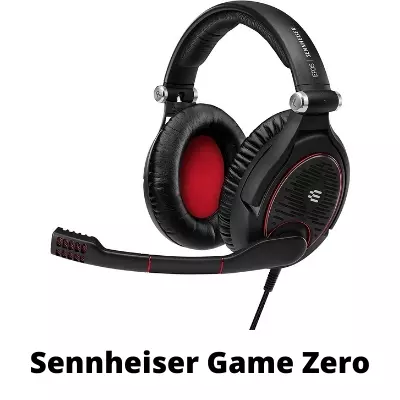
Premium headsets like the Audeze LCD-GX and Sennheiser Game Zero deliver audiophile-grade sound and studio-level microphones. You're paying for planar magnetic drivers, premium materials, and sound signatures that reveal details budget headsets simply cannot reproduce. If streaming is your profession or you're building toward partnership, this tier makes financial sense.
| Price Tier | Mic Quality | Comfort (4+ hr sessions) | Best For | Example |
|---|---|---|---|---|
| $30–$80 | Adequate | Average | Casual/hobby streamers | HyperX Cloud II |
| $80–$180 | Broadcast-ready | Very Good | Consistent streamers | SteelSeries Arctis 7 |
| $180–$300 | Studio-grade | Excellent | Full-time / partner streamers | Sennheiser Game Zero |
| $300+ | Audiophile | Excellent | Professional / content creators | Audeze LCD-GX |
Setting Up Your Streaming Headset Step by Step
Owning a great headset means nothing if you set it up incorrectly. Many streamers plug in and go live without configuring their audio properly — then wonder why their chat complains about echo or low volume. Follow these steps to get it right the first time.
PC and Console Configuration
Start by setting your headset as the default input and output device in your operating system's sound settings. On Windows, right-click the speaker icon in the taskbar, open Sound Settings, and verify both input and output point to your headset — not your monitor speakers or webcam mic. In OBS or Streamlabs, navigate to Audio settings and select your headset mic as "Mic/Auxiliary Audio." Set the sample rate to 48kHz if your headset supports it. If you're unsure about audio jacks and connector types, make sure you're using the correct port for your headset's plug type.
Software EQ and Noise Gates
A noise gate is your first line of defense against background sound bleeding into your stream. In OBS, add a Noise Gate filter to your mic source. Set the close threshold around -35 dB and the open threshold around -30 dB — then adjust based on your room. Next, add a compressor filter (ratio 3:1, threshold -18 dB) to even out volume spikes when you get excited during gameplay. These two filters alone transform how your stream sounds.
Best Practices for Stream Audio Quality
The best headsets for streaming only perform to their potential when you follow proper audio practices. Think of your headset as one link in a chain — mic technique, software settings, and room acoustics all play a role in what your audience actually hears.
Mic Positioning and Gain Staging
Position your boom mic roughly two finger-widths from the corner of your mouth — not directly in front. This prevents plosive sounds (those harsh "P" and "B" pops) from hitting the capsule directly. Keep your gain low enough that normal speaking hits around -12 dB on your meter, leaving headroom for loud moments. If your gain is set correctly, you should never clip — even when shouting.
Audio Monitoring During Streams
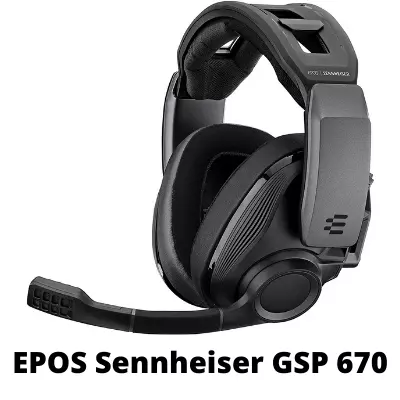
Enable sidetone (if your headset supports it) or use OBS's audio monitoring feature to hear yourself in real-time. This helps you catch issues like your mic cutting out or background noise bleeding through before your chat has to tell you. The Sennheiser GSP 670 and SteelSeries Arctis 7 both offer built-in sidetone controls. If you've ever wondered about hearing your own voice in a headset, that feature is actually intentional and useful during live streams.
Quick Wins That Instantly Improve Your Stream Audio
You don't always need new gear. Sometimes a few adjustments to your environment and settings deliver a night-and-day difference in audio quality — for zero dollars.
Room Environment Fixes
Hard surfaces reflect sound directly into your microphone, creating that hollow "bathroom" tone viewers hate. Hang a thick blanket or towel on the wall directly behind your monitor. Place a rug or carpet beneath your desk. Even a bookshelf filled with books absorbs reflections. These acoustic treatment basics cost almost nothing and immediately tighten your vocal clarity.
Software Settings Tweaks
Disable all "enhancements" in Windows Sound Properties — spatial sound, loudness equalization, and room correction all introduce latency or distortion for streaming purposes. In your streaming software, set your audio bitrate to 160 kbps for the audio track. Anything below 128 kbps compresses your voice noticeably. Also, disable any "voice enhancement" or "AI noise removal" features built into your headset's companion app if you're already using OBS filters — stacking them creates artifacts.
Mistakes Streamers Make With Their Headsets
After helping dozens of streamers troubleshoot their audio, certain patterns emerge repeatedly. Avoiding these pitfalls saves you time, money, and the embarrassment of going live with bad sound.
Microphone Mistakes
The number one mistake: leaving your mic gain maxed out. High gain amplifies everything — your mechanical keyboard, your PC fans, the neighbors. Start with gain at 50% and increase only until your voice hits a comfortable level. Second: breathing directly into the microphone. Angle the boom slightly off-axis from your mouth. Third: forgetting to mute when you sneeze, eat, or argue with someone in the room. Your audience remembers these moments.
Buying Mistakes
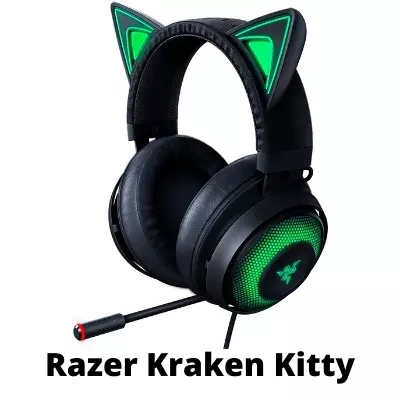
Buying based on RGB lighting or brand loyalty rather than audio specs wastes money. A headset might look incredible on camera, but if the mic picks up every ambient noise in your room, your production quality suffers. Another common error: choosing wireless without checking latency specs. Some wireless headsets introduce 30-50ms of audio delay — enough to desync your voice from your facecam. Always verify the wireless codec and connection type before purchasing. Browse our buying guides section for more detailed comparisons across categories.
Keeping Your Streaming Headset in Top Shape
A streaming headset endures hours of use daily. Sweat, skin oils, and dust degrade ear pads, mic performance, and cable integrity over time. Proper maintenance extends your headset's lifespan significantly and keeps audio quality consistent stream after stream.
Cleaning and Storage
Wipe down ear pads with a slightly damp microfiber cloth after every session. For leather or protein leather pads, use a small amount of leather conditioner monthly to prevent cracking and flaking. Never submerge ear pads or use alcohol-based cleaners — they dissolve adhesives and dry out padding material. Store your headset on a headphone stand rather than tossing it on your desk. Stands maintain headband shape and prevent the ear cups from getting pressed flat.
Cable and Connector Care
Cable failure is the most common reason streamers replace headsets prematurely. Avoid wrapping cables tightly around the headset — use loose coils secured with a velcro strap instead. Check your 3.5mm or USB connector regularly for lint buildup and use compressed air to clear the port. If you're using a detachable cable headset (like the HyperX Cloud II or Razer BlackShark V2), keep a spare cable on hand. A $10 replacement cable saves you from a dead-headset emergency mid-stream.
Frequently Asked Questions
Do I need a separate microphone if I buy a high-end streaming headset?
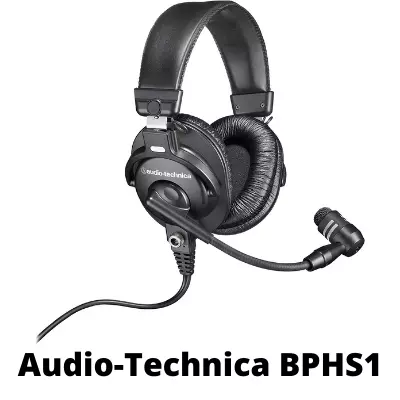
Not necessarily. Headsets like the Sennheiser Game Zero and Audio-Technica BPHS1 have broadcast-quality boom mics that rival standalone USB microphones. The only reason to add a separate mic is if you want a specific sound signature (like a condenser's warmth) or need to position the mic closer than a boom allows.
Is wireless or wired better for streaming?
Wired headsets eliminate latency and battery concerns entirely, making them the safer choice for streaming. However, modern wireless headsets using 2.4GHz dongles (like the SteelSeries Arctis 7) deliver sub-16ms latency — imperceptible to viewers. Choose wireless only if cable management is a real problem in your setup.
Can I use earbuds for streaming instead of over-ear headsets?
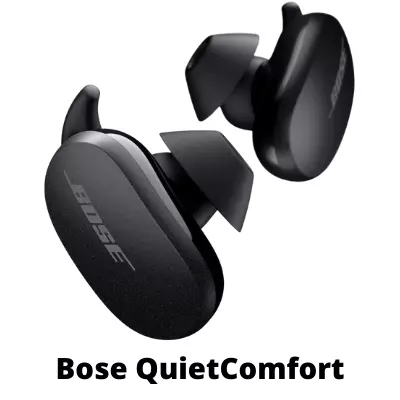
You can, but it's not ideal. Earbuds lack boom microphones, so you'd need a separate mic. They also leak sound at higher volumes, which can create feedback loops. Over-ear headsets isolate better, integrate the mic directly, and are more comfortable for long sessions.
How often should I replace my streaming headset's ear pads?
Replace ear pads every 12–18 months with daily use. Signs they need replacing include visible flaking, reduced noise isolation, thinning foam that no longer seals around your ears, or persistent odor that survives cleaning. Most major brands sell replacement pads for $15–$40.
The best streaming headset isn't the most expensive one — it's the one that sounds clear to your audience, feels invisible on your head after four hours, and stays out of your way so you can focus on your content.


About Simon B.
Simon here is an audiophile that loves to try out new audio equipment and loves to listen to different genres of music. Being an active student of Audio Electronics, He is more than capable of discussing different elements of headphones. A Powerful Music Can Change The Tone Of Your Heart, That Is The Real Power Of Music.
Get FREE Headset Gifts now. Or latest free Music Guide from our best collections.
Disable Ad block to get all the secrets. Once done, hit any button below