If you're serious about classical music headphones in 2026, the Sennheiser HD 800 S is the one to beat — its 56mm ring radiator drivers reproduce orchestral staging with a precision that makes competing headphones feel like listening through a window versus standing in the hall. That said, this list covers seven standout options across different price points and driver technologies, so you can find the right fit whether you're building a reference listening rig or just stepping into open-back audio for the first time.
Classical music is unforgiving. A symphony orchestra produces dynamic swings of 70 dB or more, and the micro-detail in a string quartet recording — bow pressure, finger vibrato, the resonant body of a Stradivarius — requires a transducer that doesn't editorialize. That rules out most consumer headphones immediately. What you need is a flat, extended frequency response, a wide and natural soundstage, and a driver fast enough to handle percussive transients without smearing. Open-back headphones dominate this list for a reason: they breathe, and that breathing creates the spatial cue that makes orchestral music feel live rather than trapped in a box pressed against your ears.

According to Wikipedia's overview of classical music, the Western art music tradition spans from the Medieval period to the present, encompassing some of the most texturally complex compositions ever written. Your headphone needs to handle all of it — from the dense polyphony of Bach fugues to the cinematic crescendos of late Romantic symphonies to the sparse, demanding spaces of Arvo Pärt. Each era rewards a headphone that stays out of the way and lets the music speak. For broader audiophile buying decisions beyond classical, explore our full headphone buying guides.
Contents
Our Top Picks for 2026
- #PreviewProductRating
- Bestseller No. 1
 Rating:

- Bestseller No. 2
 Rating:
 - Bestseller No. 3
 Rating:
 - Bestseller No. 4
 Rating:
 - Bestseller No. 5
 Rating:
 - Bestseller No. 6
 Rating:
 - Bestseller No. 7
 Rating:
Detailed Product Reviews
1. Sennheiser HD 800 S — Best Overall Reference Headphone
The Sennheiser HD 800 S is, plainly, one of the finest headphones ever built for classical music. Its 56mm ring radiator transducers — the largest dynamic drivers ever used in a production headphone — move air in a way that creates a soundstage more reminiscent of a concert hall seat than a pair of earcups. Sennheiser's absorber technology is integrated directly into the housing to eliminate unwanted resonance peaks in the 6kHz range that made the original HD 800 occasionally sharp on massed strings. The result is a headphone that's analytically transparent without being bright or fatiguing across multi-hour listening sessions.
What separates the HD 800 S from every other headphone on this list is its spatial coherence. A full symphony orchestra — strings, brass, woodwinds, percussion — is rendered with each section properly placed in three-dimensional space. Soloists appear at correct scale against the ensemble. The open-back architecture allows sound waves to exit through the rear earcup, eliminating the boxed-in resonance that closed designs can't entirely escape, and contributing to a stage that genuinely extends past the boundaries of your head. For someone who listens to Mahler, Bruckner, or Shostakovich with serious attention to orchestral texture, this level of spatial accuracy is transformative.
The HD 800 S ships with both a standard 6.35mm cable and a balanced cable, which is a meaningful inclusion at this tier. These are 300-ohm headphones and they demand a capable amplifier upstream — do not expect the headphone jack on your laptop to do them justice. A quality desktop DAC/amp is non-negotiable. With the right source chain, though, the HD 800 S remains in 2026 the definitive reference headphone for the classical music listener who wants to hear everything the recording has to give.
Pros:
- World-class soundstage width and depth — orchestral imaging is in a category of its own
- 56mm ring radiator drivers with absorber technology for neutral, peak-free high frequencies
- Ships with standard and balanced cables — ready for balanced setups
- Comfortable ergonomics for extended critical listening sessions
- 2-year manufacturer warranty included
Cons:
- Requires a high-quality DAC/amp — poor source components are immediately audible
- Premium price point — a substantial investment for most listeners
- Large earcup footprint; not practical for portable or on-the-go use
2. Sennheiser HD 600 — Best Value Audiophile Headphone
The Sennheiser HD 600 has been in continuous production since 1997, and it remains in 2026 one of the best headphones for classical music at any price that doesn't start with a four-digit number. That kind of longevity doesn't happen by accident. The HD 600 uses neodymium ferrous magnets and a precision-tuned transducer system that produces what audiophiles have long called the "Sennheiser veil" — a slightly warm, slightly dark presentation that softens the edge on harsh recordings without sacrificing musicality. On classical material, this translates to a natural, unfatiguing character that rewards long listening sessions rather than fighting against them.
The open metal mesh earcup covers are functional as well as aesthetic: they allow the airflow that contributes to the HD 600's natural soundstage presentation. It's not as wide as the HD 800 S, but it's convincing enough to portray depth and spatial separation in orchestral recordings with real authority. The 300-ohm impedance means you'll want a headphone amplifier, but the HD 600 is considerably more forgiving of modest pairings than the HD 800 S. A quality desktop amp, or even a well-implemented portable DAC/amp, will drive it to excellent performance. Replacement ear pads and cables are readily available — important when you're buying a headphone you plan to own for decades.
The HD 600 is the classic audiophile recommendation for good reason: it's neutral enough to serve as a reference tool, warm enough to be genuinely pleasurable, and robust enough to outlast the equipment around it. If you're assembling a classical music listening setup on a sensible budget and want a headphone that serious audiophiles have trusted for a generation, this is the anchor to build around.
Pros:
- Neutral, natural sound signature — slightly warm but fundamentally accurate and revealing
- Premium open-back design with excellent soundstage for the price class
- 25+ year production run — proven reliability and easily serviceable
- Plush ear pads designed for fatigue-free extended listening sessions
Cons:
- 300-ohm impedance requires a dedicated headphone amplifier to shine
- Slight treble roll-off may leave detail-obsessed listeners wanting more air
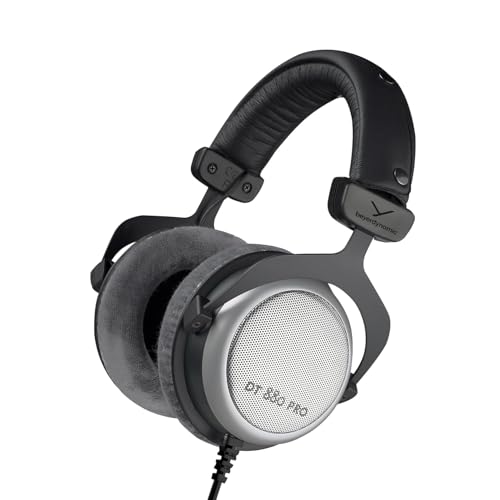
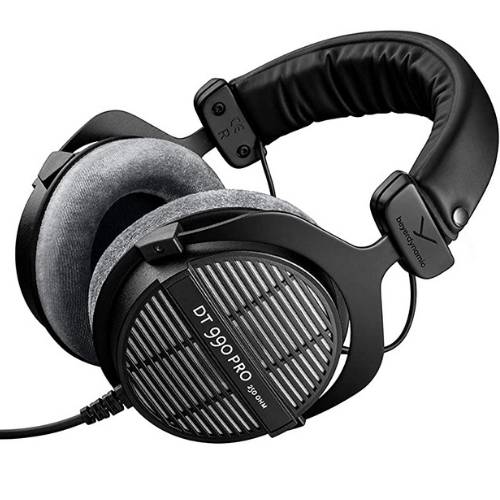
3. beyerdynamic DT 880 PRO 250 Ohm — Best Semi-Open Studio Monitor
The beyerdynamic DT 880 PRO occupies a genuinely useful middle ground with its semi-open design — you get most of the soundstage benefits of a fully open-back headphone while retaining a small amount of passive isolation that can be useful if you're not listening in a perfectly quiet room. Made in Germany with beyerdynamic's characteristic spring steel headband and velour ear pads, this headphone will outlast most of the other equipment in your listening setup. The 250-ohm impedance pairs naturally with mixing interfaces and desktop amplifiers, making it the obvious pick for listeners who already have studio gear on their desk.
For classical music, the DT 880 PRO's greatest strength is its precise imaging. Every instrument sits in a defined location in the stereo field, which is critical when you're tracking a particular instrumental line through a complex orchestral texture. The treble is extended and forward — more forward than the HD 600 — which suits analytical listening beautifully but can occasionally push into brightness on poorly mastered recordings or digital transfers of older analog masters. The low end is controlled and accurate without the warmth some listeners prefer for chamber music.
The replaceable velour ear pads are genuinely comfortable over long sessions, and aftermarket replacements are available if you wear them out. The coiled 3-meter cable is practical for desk listening but awkward if you move around. If your catalog leans toward contemporary classical, Baroque early music, or chamber repertoire where instrument separation and textural clarity matter more than bass weight, the DT 880 PRO is a compelling analytical tool at a price well below the Sennheiser flagships.
Pros:
- Semi-open design delivers open-back soundstage with slight passive isolation
- Precise, analytical imaging — excellent for tracking lines in complex scores
- Durable German construction with easily replaceable velour ear pads
- 250-ohm impedance pairs cleanly with studio interfaces and desktop amps
Cons:
- Forward treble can cause fatigue on brighter recordings or digitally remastered releases
- Long coiled cable is designed for desk use — inconvenient for casual listening setups
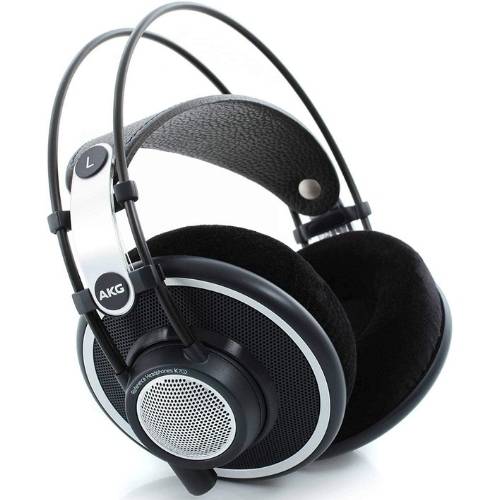
4. AKG K702 — Best for Analytical and Critical Listening
The AKG K702 has been a studio and audiophile staple for years, and it remains one of the best open-back headphones available for classical music. The patented Varimotion two-layer diaphragm is the defining technical differentiator — the outer section of the diaphragm is thinner than the center, creating varying stiffness across the driver surface. The practical result is improved high-frequency extension and more accurate low-frequency response compared to a conventional single-layer driver. This matters for large-scale orchestral works where both ends of the frequency spectrum need to be rendered simultaneously without either masking the other.
The over-ear fit uses AKG's self-adjusting headband that adapts to different head shapes without requiring manual adjustment — a genuine usability win for glasses wearers or anyone who bounces between listeners. AKG's flat-wire voice coils reduce the moving mass of the diaphragm assembly, which improves transient response: pizzicato string attacks, percussion hits, and the sudden dynamic swells that define Romantic and 20th-century orchestral writing are reproduced with proper snap rather than blurred onset. The soundstage is airy and spacious — genuinely wide for an over-ear dynamic driver headphone at this price.
For a thorough breakdown of this specific model, our detailed AKG K702 review covers listening comparisons and amplifier pairings in depth. At 62 ohms, the K702 is easier to drive than the 300-ohm HD 600 or HD 800 S, and it scales well with better amplification. It's the best choice on this list if your primary goal is to hear into recordings rather than simply enjoy them — which, for serious classical listening, is exactly the right orientation.
Pros:
- Varimotion diaphragm delivers accurate frequency response across the full audible range
- Airy, spacious soundstage — convincing orchestral depth and instrument separation
- Self-adjusting headband adapts comfortably to different head sizes
- 62-ohm impedance is more amp-friendly than 300-ohm alternatives on this list
Cons:
- Bass presentation is lean — not ideal if you prefer a warmer, more romantic sound
- Some units benefit from a burn-in period before reaching their best performance
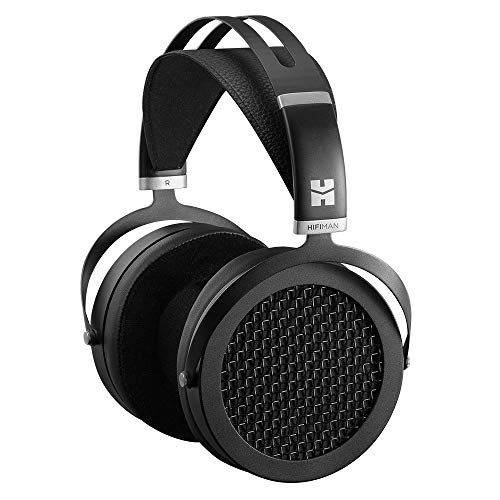
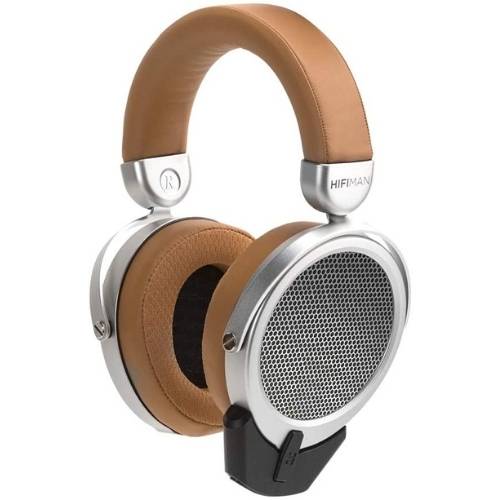
5. HIFIMAN SUNDARA — Best Planar Magnetic for Classical
The HIFIMAN SUNDARA brings a fundamentally different driver technology to classical music reproduction. Where dynamic drivers use a voice coil and cone moved by a localized magnetic force, planar magnetic drivers use an extremely thin diaphragm suspended between two magnet arrays and driven across its entire surface simultaneously. The SUNDARA's diaphragm is 80% thinner than HIFIMAN's earlier HE400 series, which translates directly to faster transient response, lower distortion, and a wider frequency response. On complex orchestral textures — dense string writing, overlapping wind parts, a tutti passage with full percussion — this evenness of drive across the diaphragm surface means you hear a coherent ensemble rather than a mass of intermingled sound.
The SUNDARA's frequency response is wide and flat. Bass is present but not elevated; the midrange is clean and transparent; the highs are extended without the harshness that dynamic drivers occasionally introduce at this price range. The all-metal headband is robust, and the weight-spreading strap distributes the SUNDARA's slightly heavier build in a way that makes extended sessions viable. It's a more industrial-feeling headphone than the Sennheisers, but the build is genuinely durable — this is a product made to travel and to last.
For more context on HIFIMAN's open-back planar engineering, our HIFIMAN Deva review covers the shared technology lineage in detail. The SUNDARA is competitive with the AKG K702 and HD 600 at similar price points, just with a different sonic character — more linear and precise, slightly less warm. If you've been curious about planar magnetics but haven't been able to justify a flagship-tier entry point, the SUNDARA is the right starting point in 2026.
Pros:
- Planar magnetic driver with ultra-thin diaphragm for low distortion and fast transients
- Wide, flat frequency response serves analytical classical listening superbly
- All-metal construction — durable for long-term ownership and daily use
- Compelling price-to-performance ratio in the planar magnetic category
Cons:
- Heavier than dynamic driver alternatives — marginally more fatigue over very extended sessions
- Requires amplification; not designed for low-power portable sources
6. Sennheiser HD 660S2 — Best for Deep Bass and Modern Classical
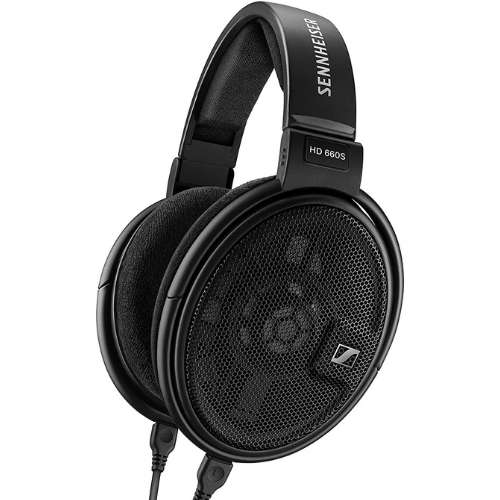
The Sennheiser HD 660S2 is Sennheiser's answer to audiophiles who felt the HD 600's bass extension left something to be desired in the lowest register. With redesigned 42mm transducers featuring ultra-light aluminum voice coils, the HD 660S2 extends sub-bass response down to 27.5 Hz — frequencies that matter for the lowest piano bass notes, orchestral contrabasses, and the physical weight of a pipe organ's pedal register. You don't just hear those lowest frequencies; you feel them in a way that's genuinely unusual for an open-back headphone in this design class.
The HD 660S2 retains the natural, spacious soundstage that defines Sennheiser's open-back lineup while adding a refined acoustic character that handles both intimate chamber music and large late-Romantic symphonies with equal authority. The high-fidelity presentation stays natural rather than V-shaped or consumer-colored — this is still fundamentally a reference-class headphone, just one with a richer low-end palette than the HD 600. The 150-ohm impedance is lower than the HD 600 or HD 800 S, making the HD 660S2 meaningfully more forgiving of modest amplification, though a quality amp still brings out its best performance.
If your classical listening catalog includes 20th-century composers who explore the lower registers, dense Romantic orchestration, film scores, or organ works, the HD 660S2's extended bass character gives you a more complete sonic picture than the analytically leaner HD 600. It's also a superb all-rounder for jazz and acoustic recordings — a headphone you can use for everything and trust for classical.
Pros:
- Deep sub-bass extension to 27.5 Hz — captures the full weight of orchestral bass instruments
- Ultra-light aluminum voice coils for detailed, well-defined highs and rich mids
- Natural, spacious open-back soundstage in the Sennheiser tradition
- 150-ohm impedance is more amp-friendly than the HD 600's 300 ohms
Cons:
- Bass-enriched character won't suit listeners who prefer strict analytical neutrality
- Premium price sits above the HD 600 — a meaningful budget jump
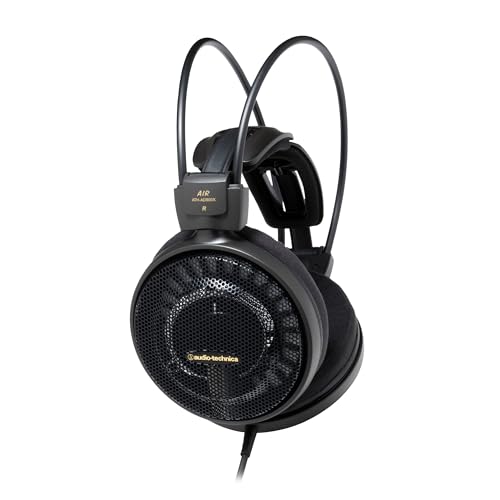
7. Audio-Technica ATH-AD900X — Best Budget Open-Back Pick
The Audio-Technica ATH-AD900X is the accessible entry point on this list, and it genuinely earns its place rather than just filling a budget slot. Audio-Technica's 3D Wing Support System replaces a traditional headband with two self-adjusting pads that contact your head on either side — creating a floating sensation that eliminates the skull pressure most over-ear headphones eventually produce. If you listen for two or three hours at a stretch, this design matters. The 53mm large-aperture drivers with CCAW (copper-clad aluminum wire) voice coils are efficient enough to run well from a wider range of sources, including quality portable DAC/amps, which is unusual at the audiophile end of the open-back market.
Sound-wise, the ATH-AD900X is clear and natural, with Audio-Technica's characteristic slight upper-midrange presence that brings forward the texture of solo instruments and the upper harmonics of string sections. Vocal reproductions on Lieder and art song recordings are particularly convincing. The soundstage is impressively wide for the price, and the open-air construction means orchestral recordings breathe properly rather than feeling compressed. You won't get the micro-detail resolution of the HD 800 S, but the ATH-AD900X puts you in the right neighborhood at a fraction of the cost.
If you're familiar with Audio-Technica's open-back engineering philosophy, our ATH-AD700X review covers the step-down sibling in detail — the AD900X applies the same design ethos with a larger driver and slightly more refined character. For a new audiophile who wants a genuine introduction to what open-back classical listening sounds like without committing to a flagship budget, the ATH-AD900X is the right starting point.
Pros:
- 3D Wing Support System delivers fatigue-free wearing comfort for extended sessions
- 53mm CCAW drivers with strong efficiency — compatible with more source devices
- Wide, natural soundstage for convincing orchestral and chamber music reproduction
- Upper midrange clarity flatters solo instruments and vocal performances
Cons:
- Bass weight is lighter than other models on this list — not ideal for weighty Romantic orchestration
- Non-detachable proprietary cable limits upgrade options
Key Features to Consider When Choosing Headphones for Classical Music
Open-Back vs. Closed-Back vs. Semi-Open Design
Every headphone on this list is either fully open-back or semi-open, and that's not a coincidence. Open-back headphones allow air to move freely through the earcup housing, which eliminates the acoustic resonance that closed-back designs accumulate at certain frequencies. For classical music, this matters because that resonance can color the midrange — making brass instruments sound slightly cupped, or giving strings an artificial warmth that distorts the recording's intent. Open-back designs produce a more accurate representation of recorded acoustic space, which is why every major reference headphone used in classical mastering is open-back.
The tradeoff is isolation. Open-back headphones leak sound both ways — you can hear your environment, and people nearby can hear your music. For home listening in a reasonably quiet room, this is rarely a practical problem. For commuting or shared spaces, it's a dealbreaker. Semi-open designs like the beyerdynamic DT 880 PRO split the difference, offering most of the soundstage benefits of open-back with a modest reduction in sound leakage. If you need a closed-back option, look outside this list — classical music reproduction with closed backs is a meaningful compromise.
Driver Technology: Dynamic vs. Planar Magnetic
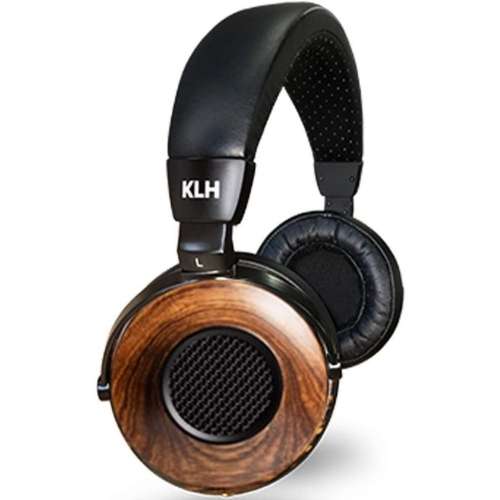
The headphones on this list use two fundamentally different driver technologies. Dynamic drivers (used in the Sennheiser and beyerdynamic models) operate like miniature loudspeakers: a voice coil attached to a diaphragm is moved by a magnetic field. Planar magnetic drivers (the HIFIMAN SUNDARA) use an ultra-thin full-surface diaphragm driven simultaneously across its entire area. Each approach has real sonic implications for classical music.
Dynamic drivers, particularly the large ring radiator design in the HD 800 S, excel at producing natural warmth, tonal body on string instruments, and the acoustic resonance of a large hall. Planar magnetic drivers typically offer lower distortion across the frequency range, faster transient response, and a more uniform frequency response curve. For complex polyphonic music where you want to track individual voices, planar magnetics have a distinct advantage. For sheer tonal beauty and the sense of being present in a live acoustic space, a well-designed dynamic driver like the HD 600 is hard to beat.
Impedance and Amplification Requirements
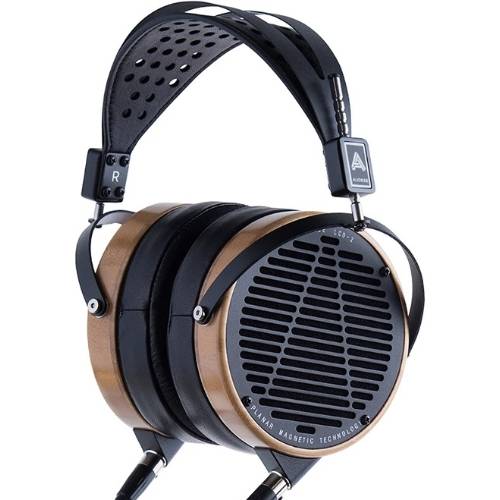
Impedance is where classical music headphones diverge most sharply from mainstream consumer gear. Most of the headphones on this list are 150–300 ohms, compared to 32 ohms typical for consumer earbuds. Higher impedance headphones require more voltage to reach listening levels, which means your phone, laptop headphone jack, or budget portable player will underperform them significantly — not just in volume but in dynamics, bass control, and stereo imaging. A dedicated headphone amplifier is not an optional luxury with these headphones; it's the difference between hearing what they can do and hearing a pale imitation of it.
A quality desktop DAC/amp in the $100–300 range will transform the performance of an HD 600 or AKG K702. The HD 800 S scales further with better amplification and rewards investment in a higher-tier amp. The ATH-AD900X at 38 ohms is the most forgiving of the group and will perform acceptably from quality portable sources, but it still benefits from proper amplification. If you don't currently own a headphone amp, factor that cost into your budget when comparing these headphones.
Soundstage, Imaging, and Comfort for Long Sessions
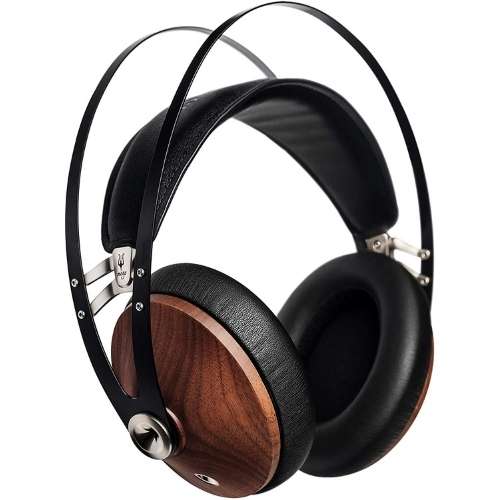
Soundstage and imaging are the two most classical-music-specific criteria you should evaluate. Soundstage is the perceived width, depth, and height of the acoustic space a headphone reproduces — a wide soundstage makes a symphony orchestra feel like it occupies real physical space around you rather than existing inside your skull. Imaging is the precision with which instruments are localized within that space. The HD 800 S leads on both counts among dynamic headphones; the HIFIMAN SUNDARA competes strongly on imaging precision from the planar side.
Comfort matters more for classical music than almost any other listening context because you're more likely to spend two uninterrupted hours with a symphony than you are with a playlist. All the headphones on this list are designed for extended wear — but the ATH-AD900X's Wing Support System and the HD 600's plush pads are particularly well-suited to marathon sessions. If you're prone to ear fatigue from clamping pressure, prioritize designs with velour or breathable pads over leather or pleather equivalents, which trap heat and pressure over time.
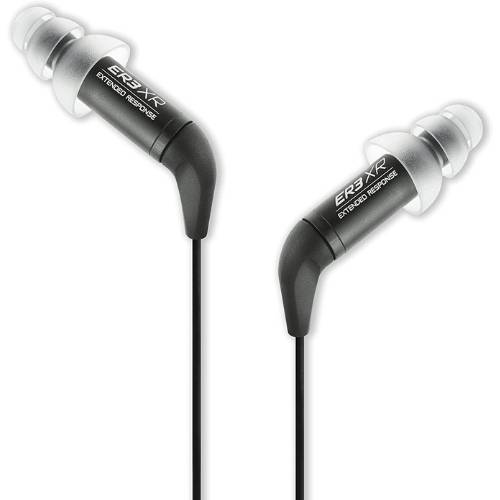
If portability is a non-negotiable requirement for your listening, it's worth noting that in-ear monitors like the Etymotic ER3XR offer genuinely audiophile-grade accuracy in a portable form factor — though they present a fundamentally different soundstage experience compared to over-ear open-backs. For classical music at a desk or at home, the over-ear designs on this list are the correct choice. Also, if you want to read about what it means when headphones produce unexpected sounds, our guide on open-back headphones explains the technical tradeoffs in plain language.
Common Questions
Are open-back headphones always better for classical music?
For home listening, yes — open-back headphones consistently outperform closed-back designs for classical music because they produce a wider, more natural soundstage without the resonance artifacts that closed earcups introduce. The exception is if you're listening in a noisy environment where closed-back isolation becomes a practical necessity. In that case, a semi-open design like the beyerdynamic DT 880 PRO is the best compromise. For dedicated home listening, always choose open-back for classical.
Do I really need a headphone amplifier for these headphones?
For most of the headphones on this list, yes. The HD 800 S, HD 600, and beyerdynamic DT 880 PRO are 150–300 ohms — significantly higher than the 32-ohm consumer norm. Plugging them into a phone or laptop headphone jack will result in inadequate volume, poor dynamic range, and compressed bass performance. A quality desktop DAC/amp in the $100–200 range will unlock the full performance of the HD 600 or AKG K702. The ATH-AD900X at 38 ohms is more forgiving, but it still scales with better amplification.
What's the best headphone for orchestral music specifically?
The Sennheiser HD 800 S is the definitive choice for full orchestral listening — its ring radiator drivers and wide housing produce a soundstage that captures the spatial layout of an orchestra in a way no other production headphone matches. If the HD 800 S is outside your budget, the Sennheiser HD 600 or AKG K702 are excellent alternatives that both handle orchestral music with genuine authority. The key characteristics to prioritize for orchestral listening are soundstage width, dynamic range, and tonal neutrality.
Is planar magnetic or dynamic better for classical music?
Both driver technologies produce excellent results for classical music, but with different strengths. Dynamic drivers — particularly larger designs like the HD 800 S's 56mm ring radiator — tend to produce more natural tonal warmth and acoustic body on string instruments. Planar magnetic drivers like the HIFIMAN SUNDARA offer lower distortion, faster transients, and more precise imaging in complex polyphonic textures. If you listen primarily to chamber music or polyphonic works where instrument separation is critical, consider the SUNDARA. For large-scale Romantic symphonies where tonal richness matters, the Sennheiser models have an edge.
Can I use these headphones for other genres besides classical?
Absolutely. Every headphone on this list is an excellent all-rounder for audiophile listening across genres. The Sennheiser HD 600 and HD 660S2 are particularly beloved for jazz, acoustic music, and well-mastered rock. The AKG K702 and DT 880 PRO are used professionally for mixing and mastering work. The HIFIMAN SUNDARA handles electronic music and bass-heavy genres well despite its analytical character. Choosing headphones optimized for classical music means choosing headphones optimized for accuracy — and accuracy flatters everything.
How much should I spend on headphones for classical music in 2026?
You can hear genuine audiophile-grade classical music reproduction starting around $150–200 with headphones like the AKG K702 or Audio-Technica ATH-AD900X. For a step up in resolution and soundstage, the Sennheiser HD 600 sits in the $300–400 range and represents one of the best value propositions in high-end audio. The HD 800 S is a significant investment that rewards serious listeners who already have a quality amplifier. Factor in the cost of a headphone amp at every budget level — a $300 headphone with a proper amp will outperform a $600 headphone plugged directly into a laptop.
Buy on Walmart
- Sennheiser HD 800 S Over-the-Ear Audiophile Reference Headph — Walmart Link
- Sennheiser HD 600 - Audiophile Open-Back Dynamic Wired Headp — Walmart Link
- beyerdynamic DT 880 PRO 250 Ohm, Semi-Open-Back Over Ear Wir — Walmart Link
- AKG Pro Audio 2458X00190 (K702) Over-Ear, Open-Back, Flat-Wi — Walmart Link
- HIFIMAN SUNDARA Over-Ear Full-Size Planar Magnetic HiFi Ster — Walmart Link
- Sennheiser HD 660S2 - Audiophile Open-Back Over Ear Headphon — Walmart Link
- Audio-Technica ATH-AD900X Open-Back Audiophile Headphones, B — Walmart Link
Buy on eBay
- Sennheiser HD 800 S Over-the-Ear Audiophile Reference Headph — eBay Link
- Sennheiser HD 600 - Audiophile Open-Back Dynamic Wired Headp — eBay Link
- beyerdynamic DT 880 PRO 250 Ohm, Semi-Open-Back Over Ear Wir — eBay Link
- AKG Pro Audio 2458X00190 (K702) Over-Ear, Open-Back, Flat-Wi — eBay Link
- HIFIMAN SUNDARA Over-Ear Full-Size Planar Magnetic HiFi Ster — eBay Link
- Sennheiser HD 660S2 - Audiophile Open-Back Over Ear Headphon — eBay Link
- Audio-Technica ATH-AD900X Open-Back Audiophile Headphones, B — eBay Link
Next Steps
- Check current prices on your top two picks — prices shift regularly, and the gap between the HD 600 and HD 660S2 often narrows during sales events.
- Confirm your amplifier situation before buying — if you don't own a headphone amp, factor that cost into your total budget and research DAC/amp pairings for your chosen headphone.
- Read the full review for any model you're seriously considering — the AKG K702 review and HIFIMAN Deva review on this site offer deeper listening comparisons.
- Identify your primary repertoire — if you listen mostly to chamber music and Baroque, prioritize imaging precision (AKG K702, DT 880 PRO); if you listen mostly to large Romantic symphonies, prioritize soundstage width and bass extension (HD 800 S, HD 660S2).
- Compare your shortlist to your current headphones by noting the specific recordings or moments where your current setup falls short — that will clarify exactly which performance characteristic matters most to you.


About Simon B.
Simon here is an audiophile that loves to try out new audio equipment and loves to listen to different genres of music. Being an active student of Audio Electronics, He is more than capable of discussing different elements of headphones. A Powerful Music Can Change The Tone Of Your Heart, That Is The Real Power Of Music.
Get FREE Headset Gifts now. Or latest free Music Guide from our best collections.
Disable Ad block to get all the secrets. Once done, hit any button below