What if the right headset could make your entire driving shift feel less exhausting? It can. The best headsets for truck drivers do more than handle calls — they cut through engine roar, sit comfortably for twelve-hour stints, and keep your hands where they belong: on the wheel. This guide breaks down the top picks at every budget, explains which features actually matter on the road, and helps you avoid the mistakes most drivers make the first time around. For more audio recommendations, browse the full buying guides section.

Truck driving is one of the few professions where a headset is both a legal requirement and genuine safety equipment. Federal regulations restrict hand-held phone use for commercial motor vehicle drivers, so going hands-free isn't optional — it's the law. The challenge is finding something tough enough to survive diesel vibration, wind buffeting, and the kind of daily wear that destroys consumer-grade headphones in weeks.
The good news is the market has expanded significantly. From $30 wired mono units to $200+ wireless options with military-grade noise cancellation, you have real choices. The key is matching the headset to your actual driving habits — not just picking whatever has the most stars online.
Contents
How to Choose the Best Headset for Truck Drivers
Not every headset sold online is built for the road. Consumer earphones are designed for coffee shops and commutes — not 400-mile hauls with a diesel engine running inches below your seat. Knowing what separates a trucker-grade headset from a standard Bluetooth earpiece will save you from an expensive mistake.
The Features That Actually Matter
The single most important feature is the microphone. Noise-cancelling microphone technology — where the mic actively filters out background sound before it reaches the other person — is non-negotiable for truck driving. Your dispatcher shouldn't have to compete with your engine on every call. This is different from active noise control (ANC), which cancels sound coming into your ears. Both matter, but the mic side is more critical for professional communication.
After the mic, focus on these in order: comfort for extended wear, battery life if wireless, Bluetooth range, and build durability. A headset that gets uncomfortable after two hours is useless on a twelve-hour run. Wireless models need at least ten hours of talk time — anything less and you're charging mid-route, which is a problem.
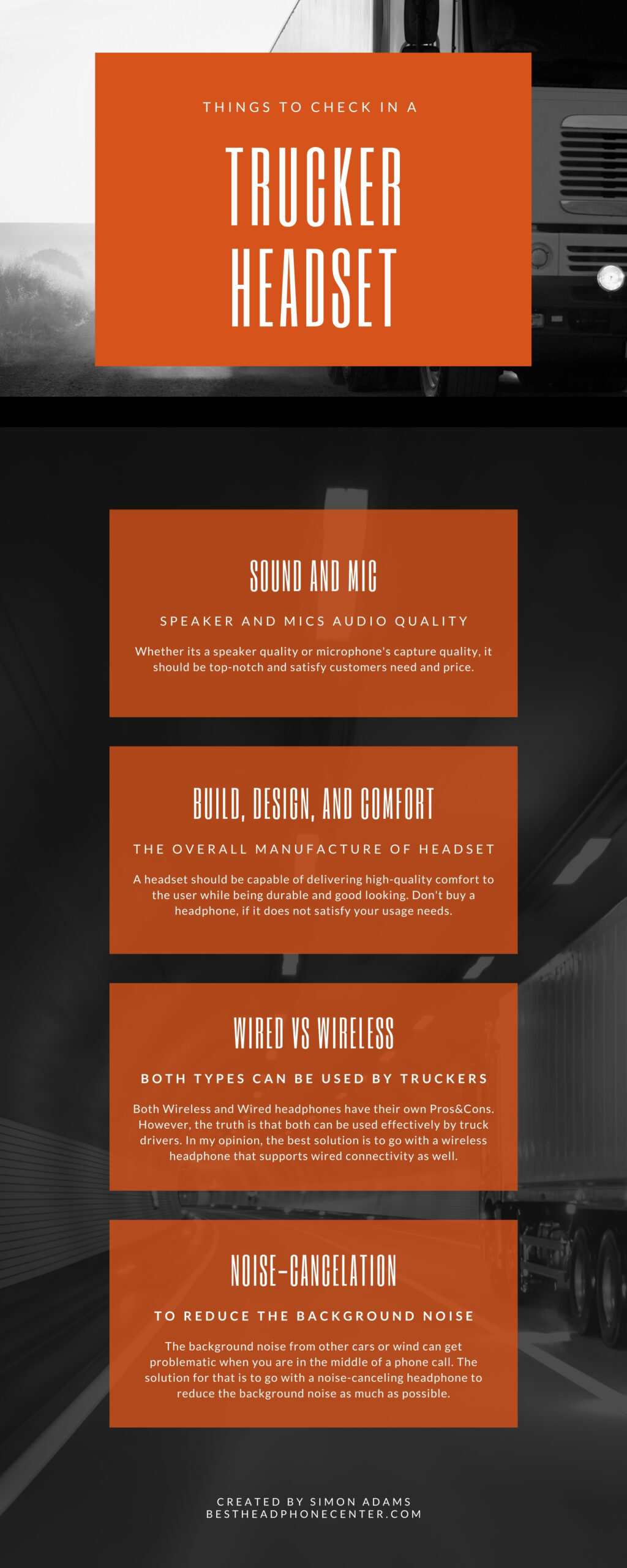
Design matters too. Most truckers prefer a mono (single-ear) headset over a stereo design because keeping one ear open lets you stay aware of traffic, air brakes, and what's happening outside the cab. Stereo headsets are fine for music during rest stops, but for active driving, mono is the safer and smarter choice.
Wired vs. Wireless: Which Is Right for You
This is one of the most debated questions in the trucking community, and we've covered it thoroughly in our full guide to wired vs. wireless headphones. For truckers specifically, the answer usually comes down to your cab setup. Wireless Bluetooth gives you freedom to move — step out for fuel, reach across the cab, lean back — without yanking a cord. Wired headsets never run out of battery and are immune to Bluetooth connectivity drops.
Most professional truckers land on wireless for day-to-day use with a wired backup tucked in the door pocket. It's a simple system that covers all scenarios without spending a fortune twice.
Top Picks at Every Price Point
Every headset below was chosen based on microphone quality, comfort during extended wear, durability, and real-world trucking use — not just spec sheets. You'll find something here regardless of your budget.
Budget Picks (Under $50)
You don't need to spend $200 to get a reliable headset. These four options deliver solid performance at a price most drivers can afford without second-guessing.
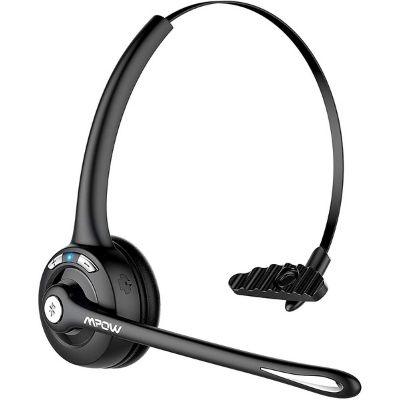
The MPOW Pro Trucker Bluetooth Headset is the go-to budget choice. It features a retractable noise-cancelling boom mic (an adjustable arm that positions the mic right next to your mouth), 16 hours of talk time, and a comfortable over-ear cushion. For under $35, nothing at this price beats it for actual truck use. Call clarity is consistently good, and it pairs quickly with both iOS and Android.
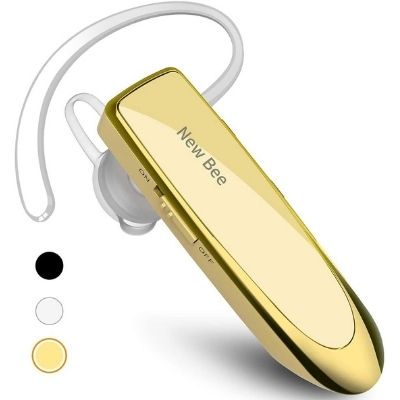
The New Bee B41 is a compact mono earpiece with a foldable design that stores easily in your door pocket. It pairs fast, charges via USB, and delivers clear call quality for the price. It works well as a backup headset or as a first-timer's entry into wireless trucking audio.
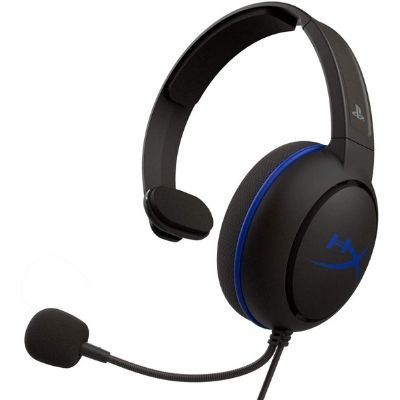
The HyperX Cloud Chat is primarily a gaming headset, but its lightweight build, clear microphone, and in-line call controls translate well to cab use. It's wired via 3.5mm — pair it with a phone adapter. Not a traditional trucker unit, but a dependable budget option if you want solid call audio without any Bluetooth hassle.
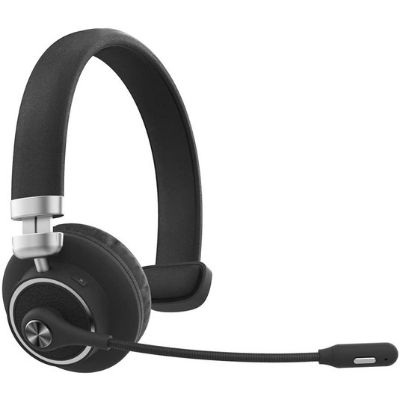
The WillFull M91 rounds out the budget tier with a foldable mono design, CVC noise cancellation (a software-based mic filtering system), and up to 20 hours of standby time. Call clarity is good, and the over-ear cushion is soft enough for extended wear. A strong choice if you want wireless without stretching your budget.
Mid-Range Picks ($50–$150)
This is where the quality jump becomes noticeable. Mid-range headsets tend to have better microphone arrays, longer battery life, and more comfortable builds that are actually designed for all-day professional use.
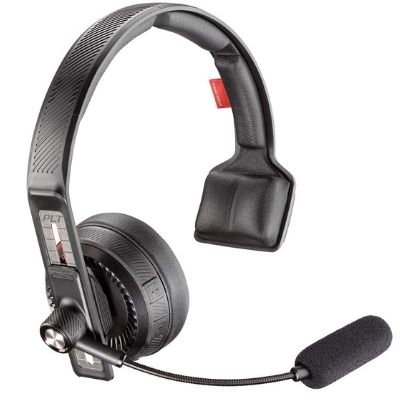
The Plantronics Voyager 104 was designed with truckers in mind. The over-the-ear hook keeps it secure on rough roads, the boom mic filters wind and engine noise effectively, and the 24-hour battery survives a full day of driving and calling. It's one of the few headsets that genuinely earns the word "professional" at this price point.
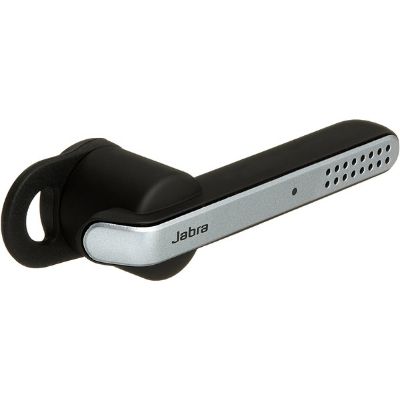
The Jabra Stealth UC is the pick for drivers who hate bulky headsets. It's a tiny in-ear Bluetooth device with surprisingly clear call quality, a six-hour battery, and a magnetic charging case. If you want something discreet that doesn't feel like you're wearing a satellite dish on your ear, this is it.
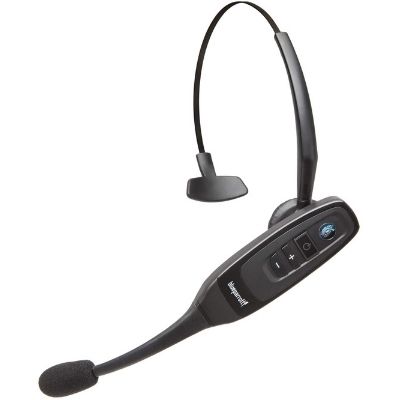
The BlueParrott C400-XT is a workhorse. It cancels 96% of background noise (that's a tested spec, not marketing), pairs with two devices simultaneously, and runs for 24 hours on a single charge. The programmable on-ear button triggers voice commands hands-free. This is the headset most seasoned truckers recommend to newer drivers who are ready to take a serious step up.
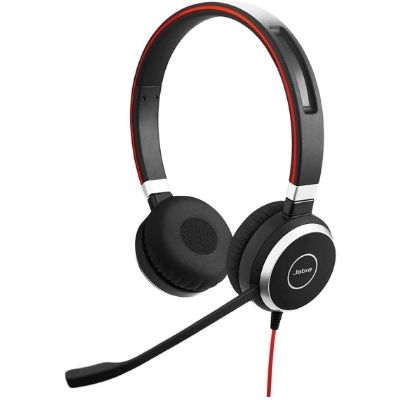
The Jabra Evolve 40 UC is the top wired option in the mid-range. It delivers exceptional call clarity through a noise-cancelling boom mic, leatherette ear pads comfortable enough for all-day wear, and in-line call controls that are easy to hit without looking. If you prefer wired reliability and don't want to manage charging, this is your pick.
Premium Picks (Over $150)
If you're on the road for a living and your headset is part of your daily workflow, spending more upfront pays dividends in durability, clarity, and all-day comfort that cheaper units simply can't match.
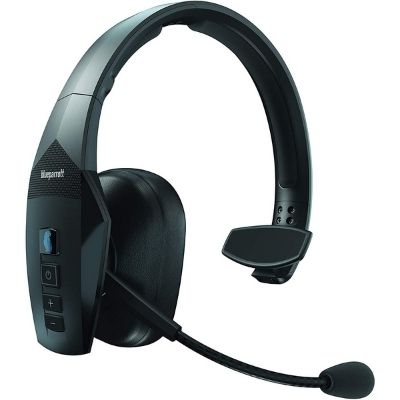
The BlueParrott B550-XT is the gold standard for professional truckers. It blocks 96% of background noise, supports voice-activated controls, connects to two devices simultaneously, and runs 24 hours per charge. The build is rugged enough for years of daily professional use. If you want the best and don't want to think about it again for a long time, this is the one.
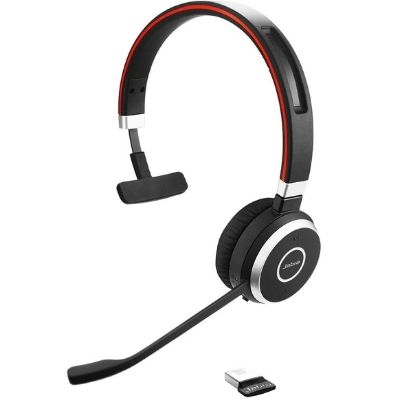
The Jabra Evolve 65 UC is a wireless mono headset with a 14-hour battery and a USB Bluetooth dongle for rock-solid connectivity. The audio quality is a noticeable step above most trucker headsets, which makes long calls feel less fatiguing by the end of a shift. If you handle frequent conference calls on the road, the premium here is justified.
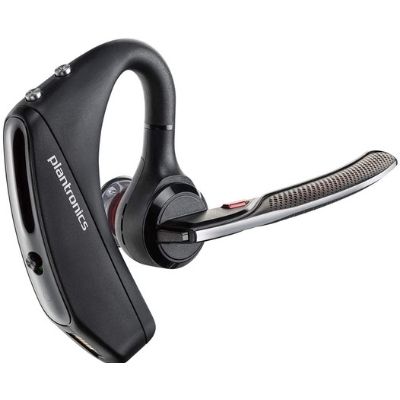
The Plantronics Voyager 5200 uses a four-microphone array with WindSmart technology — engineered specifically to block wind noise, which matters if you drive with your window cracked in warmer months. Seven hours of talk time with a charging case extends that significantly. Compact, light, and exceptionally clear even in gusty conditions.
Honest Pros and Cons of Each Headset Type
Before you commit, it helps to see the trade-offs side by side. The three main categories for truckers are: over-ear mono headsets (one large cushioned ear cup with a boom mic), in-ear Bluetooth earpieces (compact single-bud designs), and stereo over-ear headsets (both ears covered, best for audio quality).
Pro tip from Simon: If you're buying your first dedicated trucker headset, start with an over-ear mono design — it's the most forgiving in terms of fit, mic placement, and ear awareness while driving.
| Headset Type | Best For | Main Advantage | Main Drawback | Price Range |
|---|---|---|---|---|
| Over-Ear Mono | Long-haul truckers, heavy callers | Strong noise cancellation, one ear stays open | Bulkier, can get warm on long hauls | $30–$200+ |
| In-Ear Bluetooth | Drivers who want minimal bulk | Lightweight and discreet | Less noise isolation, fit can be inconsistent | $50–$150 |
| Stereo Over-Ear | Drivers who listen to music or podcasts | Best overall audio quality | Blocks ambient sound — a safety concern while driving | $30–$150 |
| Wired Mono | Budget-conscious, no-charging-hassle drivers | Zero battery concern, always reliable | Limited movement, cord management in cab | $20–$100 |
Most full-time truckers settle on an over-ear mono headset as their primary and a wired backup for emergencies. That combination handles all scenarios without overcomplicating your gear. If you're also concerned about long-term ear health, our guide on whether headphones cause hearing loss breaks down exactly what to watch for and how to protect your hearing across long hauls.
Tips to Get the Most From Your Trucking Headset
Buying the right headset is step one. Using it well is step two — and it's where most drivers leave performance on the table.
Comfort and Fit for Long Hauls
The ear cushion is the part that fails first on cheaper headsets. When the foam compresses unevenly, it puts pressure on specific spots and causes discomfort after an hour or two. Look for memory foam or soft leatherette cushions. If your current headset is getting uncomfortable on long drives, replacement ear pads are usually available for under $15 and can extend the life of a good headset significantly.
Fit matters more than most people assume. An over-ear headset that sits slightly off-center lets road noise leak in and reduces mic pickup. Spend five minutes adjusting the headband and ear cup position before your first long drive. It sounds minor, but the difference in call quality is noticeable. For a broader look at how audio gear holds up over time, our roundup of the most durable headphones covers what to look for in long-lasting builds.
Battery Life and Connectivity Tips
Plug your headset in during breaks, even if you don't need to. Running a wireless headset down to zero repeatedly degrades lithium battery capacity faster than partial charges. This one habit extends headset life by months with no effort on your part.
Warning: Don't pair your headset to more than two active devices simultaneously — most Bluetooth headsets handle dual pairing well, but three or more connections causes drop-outs and connection instability mid-call.
For Bluetooth range, most trucker headsets advertise 100 feet, but metal cab walls and interference from other devices cut that down in practice. Keep your phone within three to four feet of the headset when possible for the most consistent connection, especially in built-up urban areas with heavy wireless congestion.
When to Buy a New Headset — and When to Hold Off
Not every headset problem is a reason to replace it. Some issues are fixable. Others are a sign you've gotten everything the unit has to give.
Clear Signs You Need an Upgrade
You need a new headset when the mic quality has dropped and people regularly ask you to repeat yourself. When the battery no longer holds more than four to five hours even after a full overnight charge. When the ear cushion padding has permanently compressed and no replacement pads are available. Or when your current headset is more than four years old and doesn't support modern Bluetooth standards — Bluetooth 5.0 and newer offers faster pairing, longer range, and better stability than older versions.
Mic degradation is the most important signal of all. A headset that delivers unclear audio is a liability, not a tool. It puts strain on your professional communications and creates real risk on the road when you have to strain to hear directions or repeat yourself to dispatchers.
When Your Current Headset Still Has Life Left
If your headset connects reliably, holds a full-shift charge, and the person on the other end can hear you clearly, there is no reason to upgrade. Many drivers run the same headset for four to five years without issues. Don't upgrade based on marketing alone or because a newer model launched. The right time to buy is when your current headset actually fails your needs — not before.
If you're experiencing minor issues like a loose headband or a stiff mic arm, check whether replacement parts are available first. BlueParrott and Plantronics both sell replacement components, and a $10 part can extend a $150 headset's service life by another two years. That's a smarter investment than an immediate replacement most of the time.
Key Takeaways
- The best headsets for truck drivers prioritize noise-cancelling microphone performance, all-day comfort, and battery life above everything else — not audio quality or brand recognition.
- A wireless over-ear mono headset is the right primary choice for most truckers, with a wired backup in the cab for when Bluetooth isn't an option.
- The BlueParrott B550-XT and BlueParrott C400-XT are the most consistently recommended picks by professional drivers in the premium and mid-range tiers respectively.
- Don't upgrade until your headset genuinely fails you — a well-maintained unit lasts four to five years of daily professional use and replacement parts extend that further.


About Simon B.
Simon here is an audiophile that loves to try out new audio equipment and loves to listen to different genres of music. Being an active student of Audio Electronics, He is more than capable of discussing different elements of headphones. A Powerful Music Can Change The Tone Of Your Heart, That Is The Real Power Of Music.
Get FREE Headset Gifts now. Or latest free Music Guide from our best collections.
Disable Ad block to get all the secrets. Once done, hit any button below