Simon here. You've probably heard someone rave about white noise benefits for sleep, but I was skeptical until a rough week changed my mind. I was staying near a busy city intersection — garbage trucks at 5 a.m., nightclub bass through the walls, the whole orchestra. Sleep was basically impossible until my host plugged in a small bedside device that filled the room with a steady, soft rush of sound. I woke up eight hours later actually rested. That experience sent me down a research rabbit hole I haven't climbed out of since.
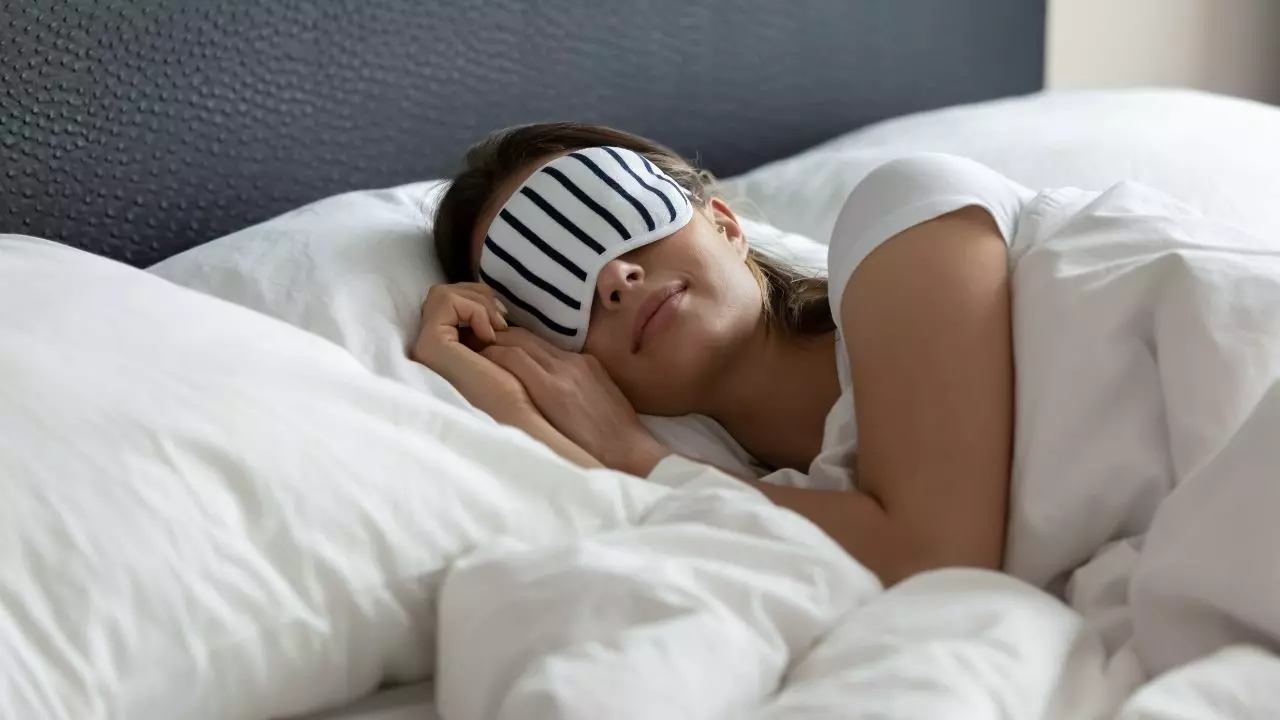
White noise has gone from niche sleep hack to mainstream wellness tool — and the science behind it is surprisingly solid. Sleep researchers, audiologists, and exhausted parents have all studied it, and the results consistently point the same direction. But before you buy anything or hit play on a random YouTube video, it helps to understand what white noise actually is, how it interacts with your ears and brain, and when it works — and when it doesn't.
How you play white noise matters almost as much as the noise itself, and as an audio-focused site we've got a lot to say about that. You should also know that understanding white noise and understanding audio gear go hand in hand — it's one reason headphones affect your daily life more than most people realize. And if unwanted hiss from your own gear has ever bothered you, our guide on removing static noise from headphones tackles that separately.
Contents
The Science Behind White Noise
Why All Frequencies Play at Once
White noise has one defining property: it contains every audible frequency at equal intensity, all playing simultaneously. Your ears can detect sounds roughly between 20 Hz (a deep rumble) and 20,000 Hz (a high-pitched squeal). White noise hits all of those at once, at the same volume level. The name comes from an analogy to white light, which contains every color of the visible spectrum combined. Acoustically, the result is a sound most people describe as a soft hiss — like the space between radio stations or the inside of a seashell. According to Wikipedia's overview of white noise, the concept originated in physics and signal processing long before it migrated into sleep science and wellness. What matters practically is that it's textureless, consistent, and omnidirectional — your brain has nothing specific to latch onto.
The Masking Effect Explained
Your brain doesn't passively receive sound — it's constantly scanning for meaningful signals, especially at night when your nervous system stays on low-level alert. A car backfiring at 2 a.m. jolts you awake not because it's catastrophically loud but because it spikes sharply against silence. White noise eliminates that contrast. When a consistent sound bed fills the room, sudden noises don't rise above it the same way. Your auditory system stops registering them as threats, and your brain stays in sleep mode. This is called auditory masking (the process of one sound reducing your ability to hear another), and it's the core mechanism behind virtually every white noise benefit you'll encounter in the research. You're not blocking sound — you're making the acoustic landscape uniform enough that nothing stands out.
White Noise Benefits for Sleep
How It Quiets a Disruptive Environment

The white noise benefits for sleep are most dramatic if you live somewhere noisy — a city apartment, a house with thin walls, or anywhere that background sound shifts unpredictably. Studies show people fall asleep faster and wake up less often when white noise is running. One widely cited study found white noise reduced sleep-onset time in ICU patients by nearly 40 percent. If it works in a hospital ward, your bedroom is a reasonable test case. The key isn't silence — it's acoustic uniformity. When the sound environment stops changing, your brain can finally stop monitoring it. You drift off, and you stay there.
Pro tip: Run white noise all night instead of using a sleep timer — sudden silence mid-cycle can be just as disruptive as a sudden noise, yanking you out of deeper sleep stages.
White Noise for Babies

Parents have used white noise instinctively for generations — the shushing sound you make to calm a crying infant is a rough approximation of it, and it works for the same neurological reason. Inside the womb, babies are surrounded by constant sound: blood flow, digestion, the muffled outside world. Complete silence after birth is genuinely unfamiliar and stimulating to a newborn's developing brain. A steady white noise loop recreates something closer to that familiar sonic environment and helps infants settle faster. The American Academy of Pediatrics recommends keeping white noise machines below 50 dB and at least 7 feet from the crib. Follow those guidelines and it's a safe, well-supported tool — not just a folk remedy.
How White Noise Compares to Other Noise Colors
Pink and Brown Noise
White noise isn't the only option. Pink noise and brown noise (also called red noise) have grown popular, and they sound noticeably different from each other. Pink noise reduces energy at higher frequencies, producing a warmer, softer character — think rainfall or rustling leaves. Brown noise takes that further, emphasizing low frequencies even more heavily, creating a deep rumble similar to strong wind or a powerful river. Many people find pink and brown noise easier to tolerate for long periods precisely because white noise's equal-frequency balance can sound slightly harsh to sensitive ears. The table below lays out the key differences at a glance.
| Noise Type | Frequency Balance | Sound Character | Best For |
|---|---|---|---|
| White | All frequencies equally | Sharp, consistent hiss | Sound masking, focus, general sleep |
| Pink | Lower frequencies louder | Warm, like steady rainfall | Deep sleep, memory consolidation |
| Brown | Even lower emphasis | Deep rumble, like wind | Anxiety relief, heavy sleepers |
| Blue | Higher frequencies louder | Bright, sharp hiss | Tinnitus masking, alertness |
Which One Should You Try First
Start with white noise — it's the most researched, the most widely available on dedicated machines, and the baseline everything else is compared against. If you find it too abrasive after a week, move to pink noise, which most people find easier on the ears for extended sessions. Brown noise is worth trying if you're a light sleeper who finds even pink noise too present. There's no universal winner here. Your preference is individual, and the best noise color is simply the one you'll keep running every night. Don't overthink the choice — pick one, give it two weeks of consistent use, and adjust from there.
The Best Gear for Playing White Noise
Dedicated White Noise Machines

Dedicated white noise machines are purpose-built for this job, and it shows. They're engineered to run for hours without overheating, produce a continuous non-looping sound (important — looping audio files create subtle rhythmic patterns your brain starts tracking during light sleep), and most have simple volume knobs rather than bright screens glowing in the dark. Top-rated models from brands like LectroFan and Marpac have earned loyal followings among light sleepers, remote workers, and new parents. If you're serious about improving your sleep environment and want guidance on navigating audio gear options, our buying guides section covers the landscape in detail.
Headphones and Earbuds

If you're using white noise while commuting, working in a shared space, or traveling, headphones are your best tool. Noise-cancelling headphones paired with a white noise app give you a double layer of protection — the active noise cancellation (ANC) reduces ambient sound passively, and the white noise fills whatever gaps remain. This combination works especially well on planes and trains, where engine drone already creates a chaotic and fatiguing audio environment. For sleeping specifically, look for flat or sleep-specific earbuds designed for side-lying — standard over-ear headphones are too bulky and uncomfortable to wear in bed. Apps like Noisli and myNoise give you granular control over noise color and volume, which is useful while you're still finding your preference.
Warning: Don't wear standard in-ear earbuds to bed if you sleep on your side — sustained pressure on the ear canal causes real soreness by morning and can irritate the skin inside the ear.
Getting It Right — Tips and What to Avoid
Volume, Placement, and Consistency
Volume is the variable most people get wrong — usually by going too loud. Keep white noise between 50 and 65 decibels, roughly the level of a normal conversation. Louder doesn't improve the masking effect; you just end up with prolonged noise exposure that stresses your hearing over time. For a room-based machine, place it about 6–7 feet from your bed, aimed generally toward you rather than right next to your head. If you're using a phone or Bluetooth speaker, the same distance applies. Consistency compounds the benefit. Running white noise every single night trains your brain to associate that sound with sleep — a conditioning effect that makes it easier to nod off even when you travel or switch environments.
Mistakes That Kill the Effect
A handful of errors come up repeatedly that undermine white noise before it gets a real chance to work:
- Using a looping audio file — repeat patterns give your brain something to track, defeating the whole purpose. Use a machine or app that generates true non-looping, continuous noise.
- Giving up after two or three nights — white noise often takes a full week before your brain fully treats it as background. Consistency through the adjustment period is essential.
- Treating it as a total solution — white noise is a tool, not a cure. Poor sleep hygiene, anxiety, or sleep apnea require separate attention. White noise won't fix root causes on its own.
When White Noise Isn't Working
If white noise genuinely isn't helping after two weeks of consistent use, try switching noise colors — pink or brown noise often clicks for people who find white noise slightly too sharp. If it's actively keeping you alert or wired, stop entirely. A small percentage of people's auditory systems find any continuous background sound stimulating rather than soothing. That's a real neurological variation, not a failure. You might also experiment with timing: some people benefit most from white noise only during the first phase of falling asleep rather than running it all night. The data from your own body is the most important data you have — observe it honestly and adjust accordingly.
Frequently Asked Questions
What exactly is white noise?
White noise is a sound that contains every audible frequency at equal intensity, all playing at the same time. This creates a steady, textureless hiss. The name comes from white light, which combines every color of the visible spectrum — the acoustic analogy is exact.
Does white noise actually help you sleep?
Yes, and the research is consistent. White noise benefits for sleep come primarily from auditory masking — it reduces the contrast between silence and sudden disruptive sounds, preventing your brain from jolting awake in response to noise spikes. Studies reliably show faster sleep onset and fewer nighttime awakenings in noisy environments when white noise is running.
How loud should white noise be?
Keep it between 50 and 65 decibels — roughly the volume of a normal face-to-face conversation. Louder doesn't improve the masking effect, and sustained exposure above 85 dB damages hearing over time. For babies specifically, the American Academy of Pediatrics recommends staying below 50 dB.
Can white noise damage your hearing?
At recommended volumes and typical sleep durations, no. The risk comes from sustained high-volume exposure — above 85 dB for hours at a time. If you're unsure how loud your machine is running, a free sound level meter app on your phone gives you a reliable reading in seconds.
Is white noise safe for babies every night?
Yes, when used correctly. Keep the machine below 50 dB, position it at least 7 feet from the crib, and never place it right next to the baby's ear. The American Academy of Pediatrics recognizes white noise as a reasonable sleep tool for infants when these placement guidelines are followed.
Final Thoughts
White noise is one of the simplest, most evidence-backed tools you can add to your sleep routine — no prescription required, no complicated setup, and the barrier to entry is literally a free app on your phone. If broken sleep, noisy neighbors, or a restless baby are wearing you down, run white noise consistently for two weeks and pay attention to what changes. Once you know which noise color works for you, investing in proper audio gear makes a real difference in the experience — head over to our buying guides to find the right machine, earbuds, or headphones to make it a permanent part of your routine.


About Scarlett Martin
Scarlett Martin is an MSc Degree holder in Digital Audio Engineering. She has worked for well-reputed audio giants. In addition, she has been an audiophile all her life, making her a valuable addition to our staff. Her knowledge of headphones, audio, and other shoulder niches will help us and our audience.
Get FREE Headset Gifts now. Or latest free Music Guide from our best collections.
Disable Ad block to get all the secrets. Once done, hit any button below