According to music psychology research, over 90% of people regularly listen to music while doing something else — yet most never think about whether their activity and their music actually work together. Finding the right things to do while listening to music is more than a lifestyle question. It's a performance question. The right pairing makes you faster, calmer, more creative, or sharper depending on what you need. At BestHeadphoneCenter, we've put together this guide to help you get more out of every hour you spend with music in your ears. Check out our headphone buying guides to find the gear that fits your lifestyle while you're at it.

Music has a way of warping time. A forty-minute walk feels like twenty. An hour of chores disappears. But not every combination works. Blasting metal while trying to draft an email is a recipe for frustration. Matching your activity to your music — and using gear that actually lets you hear it properly — matters more than most people realize. If you want to understand this on a deeper level, this guide on how headphones affect your daily life is worth a read.
Below you'll find 10 activities that genuinely benefit from a soundtrack, the science behind why each pairing works, and a practical system for building your own routine.
Contents
- Why Pairing Music With an Activity Works So Well
- Starting Simple vs. Going Deep: Matching Your Task to Your Music
- How to Set Up Your Listening Routine the Right Way
- 10 Things to Do While Listening to Music
- Building a Music Habit That Improves Your Life Over Time
- Pro Tips for Getting More Out of Every Listening Session
Why Pairing Music With an Activity Works So Well
The Science Behind the Habit
Music activates multiple regions of the brain simultaneously — the auditory cortex, the limbic system (which handles emotion), and even the motor cortex. That last one explains why rhythmic music makes physical tasks feel easier. Your body literally syncs to the beat. This isn't a fringe theory; it's been tested repeatedly across sports science, cognitive psychology, and neuroscience.
The key variable is cognitive load — how much mental effort a task demands. Low-demand tasks like folding laundry leave spare bandwidth in your brain, and music fills that gap productively. High-demand tasks like learning new concepts or writing complex material can actually be hurt by music with lyrics, because both compete for the same language-processing resources.
What This Means for Your Gear Choice
The activity you're doing should influence the headphones you grab. Noise-cancelling headphones eliminate environmental distractions before the music even starts — a genuine advantage for focus work. For outdoor activities, open-back designs or bone conduction options give you situational awareness while still letting you enjoy your playlist. For home use, a wide-soundstage over-ear pair makes everything more immersive. The right gear doesn't just sound better; it makes the activity-music pairing actually work.
Starting Simple vs. Going Deep: Matching Your Task to Your Music
The Beginner Approach
If you're new to using music intentionally, start obvious. Put on something upbeat during chores. Play something calm during your morning routine. Don't overthink it yet. The goal is to get comfortable having music running while you do things. Most people already do this instinctively — they just haven't made it deliberate.
- Upbeat pop or hip-hop — cleaning, cooking, running errands
- Lo-fi beats or ambient — light focus work and casual reading
- Classical or instrumental — anything requiring sustained concentration
- High-energy EDM or rock — intense workouts and cardio
Pro tip: Start with instrumental music for any task involving reading or writing — lyrics pull directly on the same brain systems you need for language, and the competition is real even when it doesn't feel obvious.
The Advanced Approach
Once the habit is built, go deeper. Curate specific playlists for specific contexts. Use tempo (beats per minute) as your guide — 120–140 BPM for cardio, 60–80 BPM for deep focus, 100–120 BPM for creative or hands-on work. Pay attention to how different genres affect your actual output, not just how they make you feel in the moment.
Advanced listeners also notice how much their gear shapes the experience. A pair of headphones built for classical music will reveal textural layers in complex tracks that cheaper gear completely flattens. Better audio makes music do its job more effectively.
How to Set Up Your Listening Routine the Right Way
Step 1: Identify Your Activity Categories
List the recurring activities in your week that could run alongside music. Group them by cognitive demand: physical tasks, creative tasks, routine tasks, and focused tasks. Each category needs a different musical approach — there's no one-size-fits-all playlist.
Step 2: Build Dedicated Playlists
Don't rely on shuffle for everything. Build purpose-built playlists. A workout playlist should build intensity. A focus playlist should stay consistent in energy and tempo so it fades into the background. A chores playlist can be as wild and fun as you want — that's the one where guilty pleasures belong.
Step 3: Choose the Right Gear for Each Context
You don't need a different pair of headphones for every situation, but you should know what your gear handles well. If audio problems keep yanking you out of the zone, solve that first — this guide on removing static noise from headphones covers the most common culprits. Here's a quick reference for matching headphone type to activity:
| Activity | Recommended Headphone Type | Key Feature |
|---|---|---|
| Workout / Running | True wireless earbuds | Sweat resistance, secure fit |
| Focus Work / Study | Over-ear with ANC | Active noise cancellation, comfort |
| Cooking / Chores | Wireless over-ear or earbuds | Long battery, easy controls |
| Outdoor Walking | Open-back or bone conduction | Situational awareness, lightweight |
| Gaming | Closed-back gaming headset | Positional audio, microphone |
| Reading / Relaxing | Open-back over-ear | Wide soundstage, natural tone |
10 Things to Do While Listening to Music
1. Household Chores

Chores are repetitive, low-cognitive-demand work — which means your brain has plenty of spare capacity for music. The right playlist turns vacuuming and scrubbing from something you dread into something you almost look forward to. High-energy, upbeat music is the clear winner here. You'll move faster and burn through the list without noticing the time.
2. Workout and Exercise
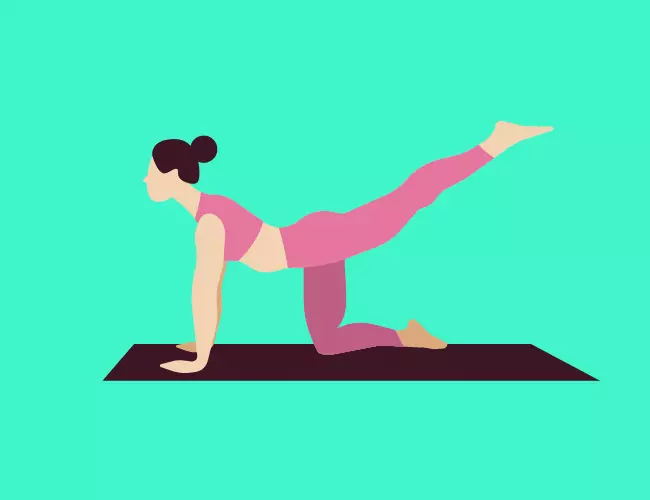
The evidence here is rock solid: music reduces perceived exertion during exercise, synchronizes movement to tempo, and pushes motivation when energy flags. Before you buy gear for this, read the full breakdown of headphone pros and cons for workouts — there are real tradeoffs around awareness and fit. Then check our picks for the best over-ear headphones for working out if you prefer that form factor.
3. Walking

A daily walk with a good playlist is one of the simplest mood upgrades you can make for free. The natural rhythm of walking pairs perfectly with mid-tempo tracks in the 100–120 BPM range. If you're walking in traffic or with a dog that might suddenly lunge, use open-back or bone conduction headphones — you need to hear what's happening around you. Never sacrifice situational awareness for sound quality on a busy street.
4. Cooking

Cooking is creative work with a physical element — which makes it an ideal candidate for music. Match the energy of your playlist to what you're making. A quick weeknight dinner gets upbeat tracks. A slow Sunday roast gets something mellow. Use wireless headphones in the kitchen without question — no cables near hot pans, running water, or sharp knives.
5. Drawing and Creative Work

Music and visual creativity have been linked for centuries. Music activates the right hemisphere of the brain — the same side that handles imagination and spatial thinking. Most artists default to instrumental music, but many find that a familiar album on repeat works even better because there's no novelty to chase. Find the album that puts you in your zone, then use it consistently. Familiarity is the point.
Warning: If your creative work involves any writing or language — captions, copy, scripts — lyrics will slow you down noticeably, even when it doesn't feel that way in the moment.
6. Gaming

For competitive games, in-game audio wins every time — positional cues are too critical to sacrifice. For casual or single-player games, a personal playlist adds real immersion. The gear debate matters here too. Read our breakdown of gaming headsets vs. headphones before you spend money — the differences are more significant than most people expect.
7. Taking a Bath

A bath with good music is one of life's underrated pleasures. Use a waterproof Bluetooth speaker rather than headphones near a full tub — no headphone is worth the risk. Save the over-ears for the post-bath wind-down when you're dry and settled. That quiet, relaxed window is actually one of the best times to do deep listening and appreciate music on its own terms.
8. Reading

Reading while listening to music is polarizing. For pleasure reading, gentle instrumental music enhances the experience for most people. For studying or deep comprehension, silence or near-silence usually wins. If you're reading complex nonfiction or textbooks, don't fight it — put the music down. If you want a headphone recommendation for long reading sessions, the same picks from our best headphones for classical music guide work beautifully here too.
9. Gardening

Gardening is physically active and mentally restful — your hands are busy but your mind is free, which is the ideal music-listening state. There's no wrong genre here. Put on whatever you genuinely enjoy. Wireless earbuds work best because they stay out of the way while you dig and prune. If you garden near a road or driveway, stay aware of your surroundings.
10. Studying and Working

This is the trickiest pairing because it depends entirely on the task. The rule: the more language-heavy the work, the less lyric-heavy the music should be. Data entry, spreadsheets, and repetitive computer work pair fine with almost anything. Writing pairs best with instrumentals. Learning genuinely new or complex material often works best with music off entirely or ambient sound barely audible in the background. Don't fool yourself into thinking lyrics aren't affecting you — the research says otherwise.
Building a Music Habit That Improves Your Life Over Time
Make It Automatic
The goal is to stop making a decision every time you start an activity. Once you've established which playlist goes with which task, it should become automatic. Trigger your workout playlist before you lace up your shoes. Start the focus playlist the moment you open your laptop for work. Habit stacking — attaching music to an existing routine — is the fastest way to lock this in permanently.
Here's a simple weekly framework to start with:
- Morning routine → calm, instrumental, low energy
- Commute or walk → upbeat, anything you enjoy
- Work sessions → lo-fi beats or classical, no lyrics
- Workouts → high BPM, energetic, motivating
- Evening chores → whatever makes you happiest
- Wind-down → slow, ambient, acoustic
Protect Your Hearing
This isn't optional. Listening at high volumes over long periods causes cumulative hearing damage that doesn't show up until it's irreversible. The 60/60 rule is the standard guideline: stay at or below 60% volume, and take a break after 60 continuous minutes. If your headphones feel too quiet, fix the source of the problem rather than pushing the volume higher.
Pro Tips for Getting More Out of Every Listening Session
Use BPM as a Guide
Most music apps let you sort playlists by tempo. Use that feature intentionally. Target 120–140 BPM for cardio, 60–90 BPM for deep focus, and 100–120 BPM for hands-on tasks like cooking or chores. Some apps will auto-match your running cadence to the beat — that's a genuine performance upgrade for distance runners, not a gimmick.
Track What Works
Spend two weeks paying attention to what you're listening to when you feel most productive or most at ease. Note it down somewhere simple. You'll see patterns quickly. Most people discover two or three genres that consistently deliver results — and a handful of others they assumed would work but don't. Let your actual experience override your assumptions.
If you're still figuring out what kind of listening setup fits your lifestyle, the options can feel overwhelming. Matching the headphone to the activity is the fastest path to building a music routine that sticks.
Frequently Asked Questions
Is it okay to listen to music while studying?
Yes, with the right type. Instrumental tracks — classical, lo-fi, ambient — work well for most study sessions. Avoid music with lyrics when you're reading or writing, because the words compete directly with your language processing and hurt comprehension more than most people realize.
Does music actually improve workout performance?
Consistently, yes. Research shows music reduces perceived exertion during exercise, which means you feel less tired at the same effort level. High-tempo music around 120–140 BPM is most effective for cardio. This is one of the most well-supported performance benefits in all of sports science.
What type of headphones are best for exercising?
True wireless earbuds with a secure fit and sweat resistance are the top choice for most people. If you prefer over-ear headphones, look for lightweight designs with sport-friendly headbands. Check our guide on the best over-ear headphones for working out for specific recommendations.
Can music be harmful during certain activities?
Yes. Wearing headphones while walking in traffic or cycling reduces situational awareness significantly. At high volumes over extended periods, music causes cumulative hearing damage that isn't reversible. Always use appropriate volume levels and choose open-back or bone conduction options when outdoor safety is a factor.
What is the best genre of music for creative work?
Instrumental music is the consistent winner. Classical, jazz, lo-fi hip-hop, and ambient electronic are the most popular choices among creative professionals. The goal is music that occupies just enough of your brain to block out distractions without pulling focus away from the work itself.
How loud should I listen to music during activities?
Keep volume at or below 60% of maximum and take a break every 60 minutes — this is the standard 60/60 rule. In noisy environments, the temptation is to crank it up. Don't. Use noise-cancelling headphones instead — they reduce background noise without the need to go louder.
Do expensive headphones actually make a difference for everyday activities?
Yes, but not infinitely. A solid mid-range pair in the $75–$150 range delivers most of the real-world benefit in comfort and sound quality. Expensive headphones hit diminishing returns fast for casual listeners. The biggest jump comes from moving out of the budget tier — not from chasing flagship gear.
Final Thoughts
You already spend hours every day doing things that could be made better, faster, or more enjoyable with the right soundtrack. Start intentionally pairing the activities on this list with music that actually fits them, and you'll notice the difference within a week. Pick one activity — your workout, your commute, your evening chores — and build your first dedicated playlist today. That's the concrete next step, and it takes about ten minutes.


About Simon B.
Simon here is an audiophile that loves to try out new audio equipment and loves to listen to different genres of music. Being an active student of Audio Electronics, He is more than capable of discussing different elements of headphones. A Powerful Music Can Change The Tone Of Your Heart, That Is The Real Power Of Music.
Get FREE Headset Gifts now. Or latest free Music Guide from our best collections.
Disable Ad block to get all the secrets. Once done, hit any button below