Over 70% of professional CS:GO and CS2 players use wired headsets with closed-back designs — and there's a very good reason for that. In a game where a single footstep can decide a round, your headset isn't just an accessory. It's a competitive tool. If you're searching for the best gaming headsets for CSGO, you've probably already realized that not every headset handles directional audio the same way. This guide breaks down exactly what matters, what doesn't, and which headsets actually deliver where it counts. Whether you're new to competitive FPS or pushing for a higher rank, check out our buying guides for more in-depth audio gear recommendations.
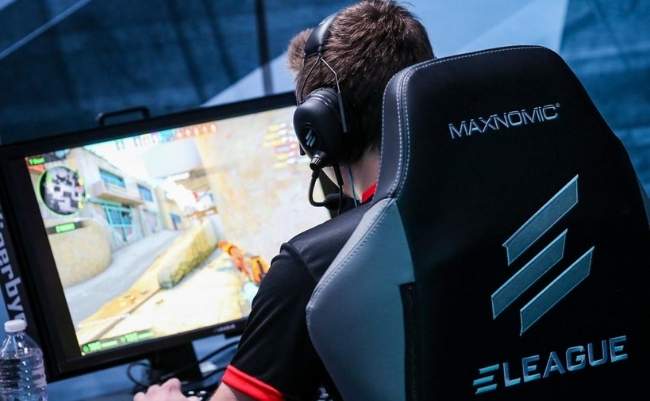
CS:GO rewards players who can pinpoint exactly where sounds come from — gunfire behind a wall, a defuse tap from across the site, or footsteps rotating through connector. Your headset shapes all of that. A good pair gives you information your eyes can't. A bad pair turns everything into mush.
Below, you'll find a complete breakdown of the top picks, practical care tips, common myths that hold players back, and a side-by-side comparison table so you can make a confident choice. Let's get into it.
Contents
Entry-Level vs Premium: Picking the Right Tier
One of the first decisions you'll face is how much to spend. The good news? You don't need to empty your wallet to get a headset that works well for CSGO. But there are real differences between a $50 headset and a $200 one. Here's how to think about it.
Solid Budget Picks That Punch Above Their Price
If you're just getting into competitive play or you're on a tight budget, these headsets give you reliable directional audio without breaking the bank:
- HyperX Cloud II — The go-to recommendation for a reason. Comfortable for long sessions, solid 53mm drivers, and a detachable mic. The virtual 7.1 surround is a bonus, though most pros stick with stereo.
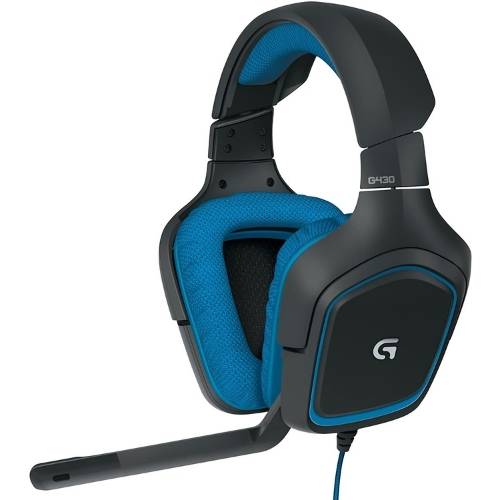
- Logitech G430 — Lightweight, affordable, and gets the job done. The cloth ear pads breathe well, and the sound signature works naturally with CS:GO's audio engine.
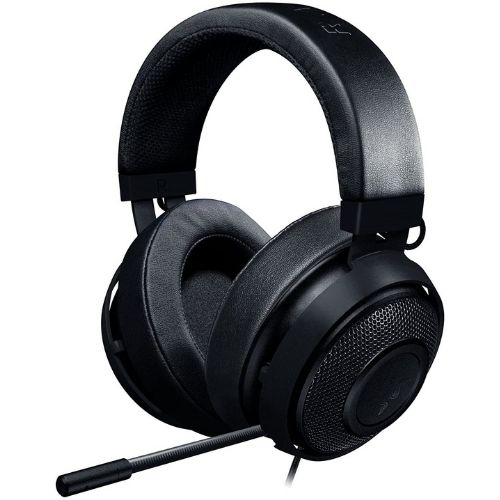
- Razer Kraken Pro V2 — Slightly bass-heavy out of the box, but the retractable mic and gel-infused ear cushions make it a comfortable daily driver.
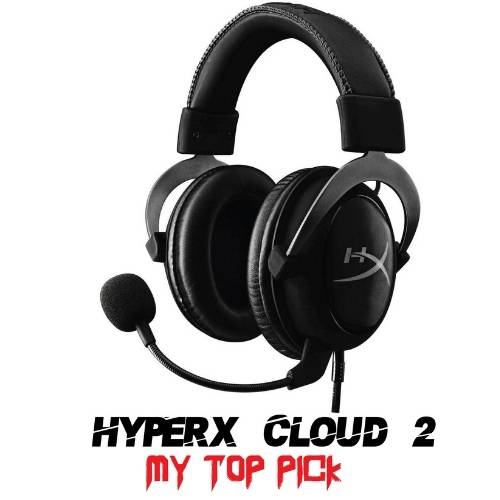
Any of these will serve you well through your first few hundred hours. For more options in this price range, take a look at our roundup of best gaming headsets under $200.
Premium Headsets Worth the Investment
If you're serious about ranking up and you want the clearest possible audio, these premium options deliver noticeably better sound staging (how wide and accurate the sound field feels):
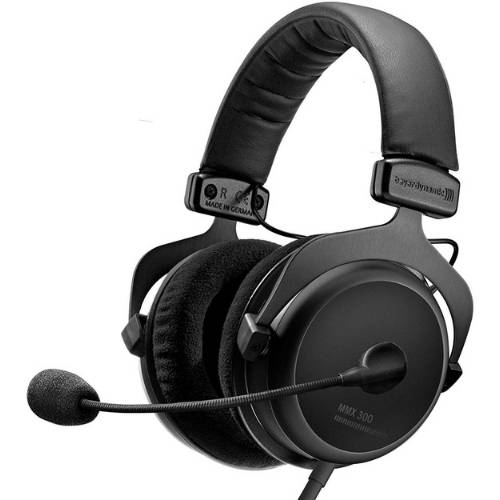
- Beyerdynamic MMX 300 (2nd Gen) — Audiophile-grade drivers in a gaming shell. The soundstage is wide and precise, making it one of the best for pinpointing enemy positions.
- Sennheiser Game Zero — Closed-back design with excellent noise isolation. The sound is detailed and natural, letting you hear subtle audio cues others miss.
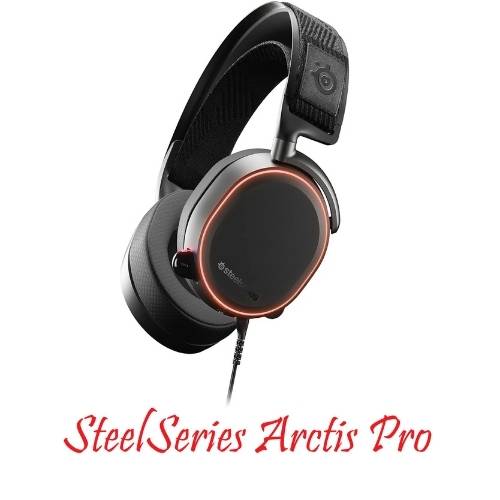
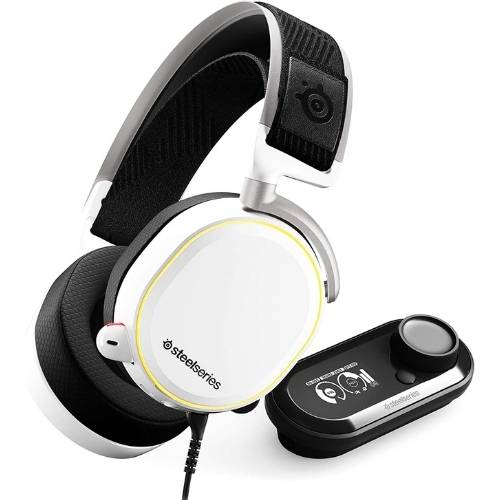
- SteelSeries Arctis Pro + GameDAC — Comes with a dedicated DAC (digital-to-analog converter) for cleaner audio processing. High-res certified audio with a comfortable ski-goggle headband.
Pro Tip: Before spending $200+, make sure your PC's onboard audio isn't bottlenecking you. A dedicated DAC or sound card can transform even a mid-range headset's performance in CS:GO.
Best Gaming Headsets for CSGO at a Glance
Sometimes you just want to see the numbers side by side. Here's a quick comparison of the top picks for CSGO based on the specs that matter most for competitive play:
| Headset | Type | Driver Size | Weight | Mic | Best For |
|---|---|---|---|---|---|
| HyperX Cloud II | Closed, Wired | 53mm | 309g | Detachable | Best overall value |
| Sennheiser Game Zero | Closed, Wired | Proprietary | 275g | Flip-to-mute | Sound clarity |
| Beyerdynamic MMX 300 | Closed, Wired | Custom | 332g | Attached boom | Audiophile accuracy |
| SteelSeries Arctis Pro | Closed, Wired | 40mm | 352g | Retractable | Hi-res + DAC combo |
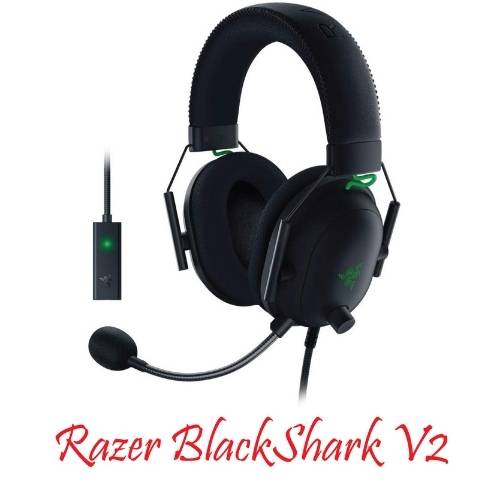
| Razer BlackShark V2 | Closed, Wired | 50mm TriForce | 262g | Detachable | Lightweight comfort |
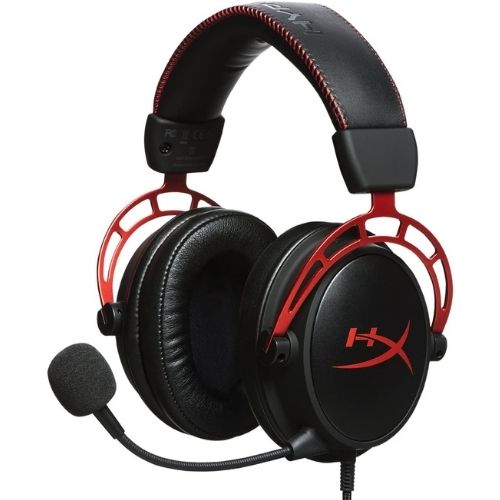
| HyperX Cloud Alpha | Closed, Wired | 50mm Dual Chamber | 298g | Detachable | Bass separation |
| Logitech G430 | Open-ish, Wired | 40mm | 255g | Fold-up boom | Budget pick |
| Razer Kraken Pro V2 | Closed, Wired | 50mm | 322g | Retractable | Comfort + budget |
What Specs Actually Matter
Not all specs are created equal for CSGO. Here's what to focus on and what to ignore:
- Driver size — Bigger doesn't always mean better. A well-tuned 40mm driver can outperform a sloppy 50mm one. Focus on sound signature, not numbers.
- Impedance (ohms) — Lower impedance (under 64 ohms) works fine straight from your PC. Higher impedance headsets may need an amp.
- Frequency response — Most gaming headsets cover 20Hz–20kHz, which is the full range of human hearing. This spec is rarely a differentiator.
- Weight — Matters more than you'd think. Anything over 350g can cause neck fatigue during long sessions.
- Closed vs open back — Closed-back isolates noise (great for LAN or noisy rooms). Open-back offers a wider soundstage but leaks sound.
Wired vs Wireless: Weighing Your Options
This is one of the most debated topics in the CSGO community. Both sides have valid points, and the right choice depends on your setup and priorities. If you want a deeper dive on this topic, we've covered the full breakdown in our gaming headset vs headphones comparison.
Latency and Competitive Play
For competitive CSGO, latency (the delay between the game producing a sound and you hearing it) is critical. Here's how the two stack up:
- Wired headsets — Essentially zero latency. The signal travels through the cable instantly. This is why the vast majority of pro players use wired.
- Modern wireless (2.4GHz) — Latency has improved dramatically. Top wireless headsets now hit under 20ms, which most players can't perceive. Bluetooth, however, still adds noticeable delay and should be avoided for competitive play.
Convenience vs Performance
There's more to the decision than just latency:
- Battery life — Wireless headsets need charging. Running out mid-match is a real frustration. Most last 15–30 hours, but that's one more thing to manage.
- Cable drag — Wired headsets can snag or pull during intense flick shots. A mouse bungee-style cable management clip solves this cheaply.
- Weight — Wireless headsets carry battery weight. This adds 20–50g compared to wired equivalents.
- Price — The wireless version of any headset typically costs $30–$80 more than the wired version. You're paying for the transmitter and battery tech.
For pure competitive CSGO, wired remains the safer choice. But if you play casually or value a clean desk setup, modern 2.4GHz wireless headsets have closed the gap significantly.
Common Headset Myths That Cost You Frags
There's a lot of bad advice floating around Reddit threads and forum posts. Let's clear up the myths that might be steering you in the wrong direction when choosing the best gaming headsets for CSGO.
The Surround Sound Trap
This is the biggest one. Many gamers assume that 7.1 virtual surround sound is essential for CSGO. Here's the truth:
- CS:GO's audio engine outputs in stereo. The game uses HRTF (Head-Related Transfer Function) to simulate 3D positioning through two channels.
- Virtual 7.1 processing adds an extra layer of processing on top of HRTF, which can actually muddy the positional accuracy.
- Most pro players disable virtual surround and use stereo mode for the cleanest directional cues.
- If your headset has a surround sound toggle, try both modes in a deathmatch. You may be surprised how much cleaner stereo sounds.
Warning: Enabling virtual surround sound in CSGO can create a "washed out" effect that makes it harder to tell if an enemy is above or below you. Stick with stereo + HRTF for the most accurate positioning.
Expensive Doesn't Always Mean Better
Another common trap is assuming you need a $300 headset to compete. In reality:
- The difference between a $70 and $150 headset is significant — better materials, clearer mids, more comfortable padding.
- The difference between a $150 and $300 headset is subtle — you'll hear improvements if you have trained ears, but the competitive advantage is minimal.
- RGB lighting, premium packaging, and brand partnerships all add to the price without improving audio quality.
- A $100 headset paired with proper in-game settings will outperform a $300 headset with bad EQ settings every time.
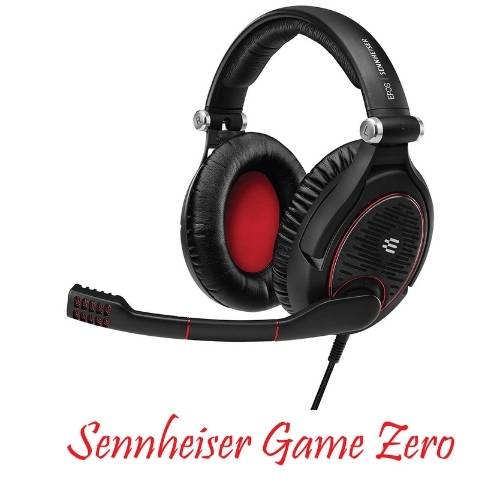
So here is your answer, If you want more sound quality, go for Sennheiser Game Zero. If you want an edge over your opponents through Surround Sound, go for HyperX Cloud II.
Simon - Best Headphone Center
How to Keep Your Gaming Headset in Top Shape
A good headset can last you several years if you treat it right. Most headset failures aren't manufacturing defects — they're wear and tear from poor habits. Here's how to protect your investment.
Daily and Weekly Care Routine
You don't need to obsess over this, but a few small habits go a long way:
- Wipe down ear pads after each session — Sweat and skin oils break down leather and protein leather over time. A quick wipe with a dry microfiber cloth takes five seconds.
- Don't hang your headset on your monitor — The corner of a monitor puts pressure on one side of the headband and can warp it. Use a headset stand or hook instead.
- Clean the mic grille weekly — A soft brush (an old toothbrush works) removes dust buildup that can muffle your callouts.
- Check cable connections — Loose 3.5mm jacks cause crackling and cut-outs. Push them in firmly and check for lint in the port.
- Avoid eating while wearing your headset — Crumbs and grease are the silent killers of ear pad material.
Proper Storage Tips
When you're not gaming, how you store your headset matters just as much as how you use it:
- Keep it out of direct sunlight — UV rays degrade plastic and leather quickly.
- Store it flat or on a proper stand. Avoid tossing it in a drawer where the headband gets bent.
- If your headset came with a carrying case, use it for travel. LAN events and trips to a friend's house are where most accidental damage happens.
- For headsets with detachable cables, disconnect the cable when storing. This reduces strain on the connector.
If you want a headset that's built to survive years of daily use, our guide on most durable headphones covers models specifically tested for longevity.
Building Your Audio Setup for the Long Haul
Choosing the best gaming headsets for CSGO isn't just about the headset itself. Your entire audio chain — from software settings to hardware accessories — shapes what you hear. Here's how to think about it as a long-term investment rather than a one-time purchase.
Smart Upgrade Path
If you're starting from scratch, here's a sensible order to upgrade your audio setup:
- Start with a solid mid-range headset — Something like the HyperX Cloud II or Razer BlackShark V2. This alone gives you 80% of what you need.
- Add a USB sound card or DAC — Even a $30 USB DAC cleans up the signal from your motherboard's onboard audio. You'll notice less hiss and cleaner separation between sounds.
- Upgrade ear pads — Many headsets accept third-party pads. Memory foam or velour pads can improve both comfort and sound isolation. It's a cheap upgrade that feels like a new headset.
- Consider a standalone mic later — If you get serious about team communication or streaming, a dedicated desk mic beats any boom mic. This also lets you choose headphones without a built-in mic, opening up audiophile options.
Dialing In Your In-Game Audio Settings
Even the best headset won't save you if your in-game settings are wrong. Here's what to configure:
- Enable HRTF — Go to Audio Settings and turn on HRTF. This gives you the most accurate 3D positioning through stereo headphones.
- Set master volume to 40–60% — Too loud and you'll fatigue your ears (and risk hearing damage over time). Too quiet and you'll miss faint cues. Find your sweet spot.
- Disable music — The MVP music, round start music, and ten-second warning all mask important audio cues. Turn them all off or drop them to 0%.
- Use "Headphones" as your audio output device — Don't leave it on "Speakers" or "Auto." Selecting headphones ensures the game optimizes audio processing for your setup.
- Tweak EQ if available — Slightly boost the 2kHz–4kHz range to make footsteps more prominent. Be subtle — heavy EQ changes create more problems than they solve.
Quick Insight: The in-game command
snd_headphone_pan_exponent 1adjusts how aggressively sounds pan left and right. A value of 1 gives the most natural positional feel for most headsets.
Frequently Asked Questions
Is surround sound necessary for CSGO?
No. CS:GO and CS2 use stereo-based HRTF for sound positioning. Virtual 7.1 surround can actually reduce positional accuracy by adding extra processing. Most professional players use stereo mode with HRTF enabled for the cleanest directional audio.
Do I need a dedicated sound card for competitive CSGO?
Not necessarily, but it can help. Modern motherboard audio is decent, but a USB DAC or external sound card reduces electrical interference and delivers a cleaner signal. If you hear background hiss or static through your headset, a DAC is worth the investment.
Can I use wireless headsets for competitive CSGO?
You can. Modern 2.4GHz wireless headsets offer latency under 20ms, which most players won't notice. However, avoid Bluetooth for competitive play — it introduces noticeably higher latency. For tournaments and ranked play, wired remains the most reliable option.
What's the ideal volume level for hearing footsteps in CSGO?
Set your master volume between 40% and 60%. This gives you enough range to hear faint footsteps and subtle cues without causing ear fatigue during long sessions. Going louder doesn't help — it just makes everything louder equally and increases your risk of hearing damage over time.
Final Thoughts
You don't need to overthink this. Pick a headset that fits your budget and comfort preferences, set your in-game audio to stereo with HRTF enabled, and spend the rest of your time actually playing. The HyperX Cloud II and Razer BlackShark V2 are safe bets for most players, while the Sennheiser Game Zero and Beyerdynamic MMX 300 reward those who want top-tier clarity. Grab one, hop into a deathmatch to test the audio positioning, and start using sound as the weapon it's meant to be.


About Simon B.
Simon here is an audiophile that loves to try out new audio equipment and loves to listen to different genres of music. Being an active student of Audio Electronics, He is more than capable of discussing different elements of headphones. A Powerful Music Can Change The Tone Of Your Heart, That Is The Real Power Of Music.
Get FREE Headset Gifts now. Or latest free Music Guide from our best collections.
Disable Ad block to get all the secrets. Once done, hit any button below