Ever wondered if over-ear headphones can actually survive your toughest gym sessions? The answer is a confident yes — if you pick the right pair. Finding the best over-ear headphones for workouts comes down to three things: sweat resistance, a secure fit, and sound quality that keeps you pushing through that last rep. Most people default to earbuds for exercise, but over-ear models deliver fuller bass, better noise isolation, and surprising comfort during long training sessions. In this buying guide, you'll learn exactly what separates a great workout headphone from one that falls apart after a few sweaty weeks.
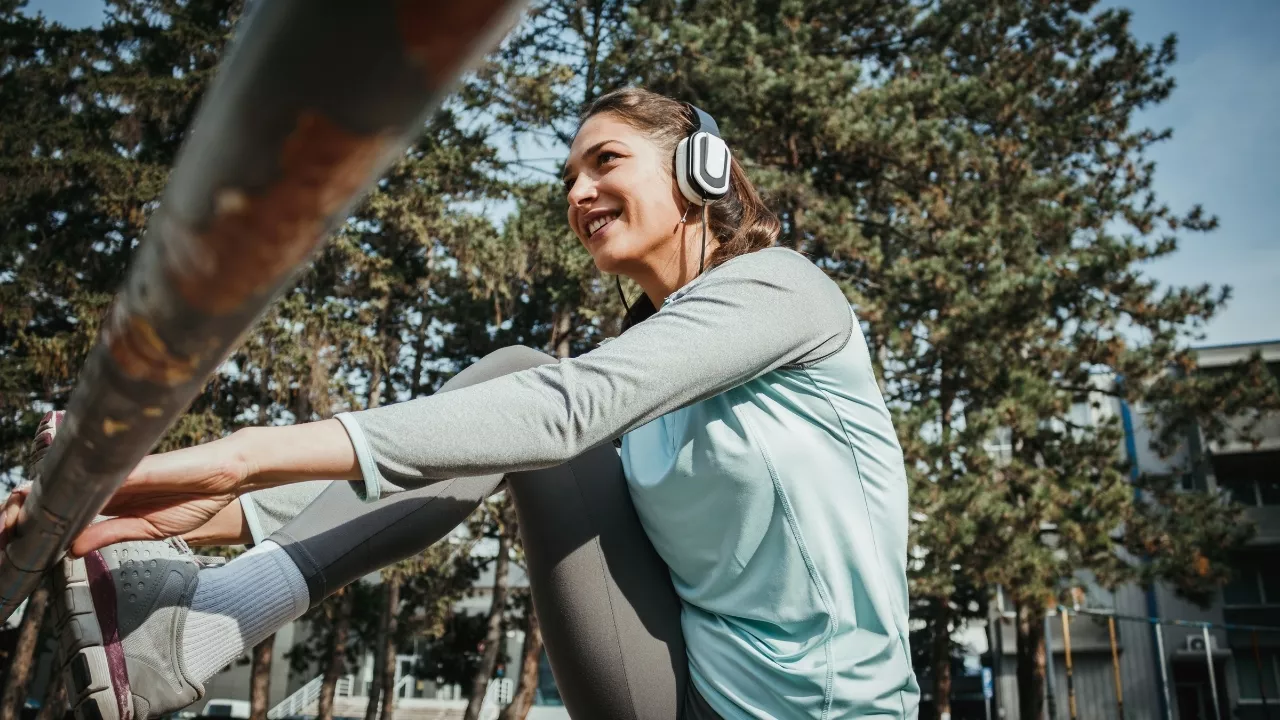
Over-ear headphones aren't just for audiophiles sitting in quiet rooms. Modern workout-ready models come with moisture-wicking ear pads, reinforced headbands, and IPX ratings that handle serious sweat. The trade-off? They're bulkier than earbuds. But if sound quality and comfort matter to you — and they should — that trade-off is worth it.
Below, you'll find a breakdown of the best options on the market, what features actually matter, and how to make your pair last. Whether you're lifting heavy, running intervals, or grinding through a cycling class, there's an over-ear headphone built for your workout style.
Contents
When Do You Actually Need Over-Ear Headphones at the Gym?
Not every workout calls for over-ear headphones. Your exercise style determines whether they're the right choice or overkill. Here's where they shine — and where you might want to think twice.
Weightlifting and Strength Training
This is where over-ear headphones dominate. During strength training, you're relatively stationary between sets. Your head stays level for squats, bench presses, and rows. Over-ear headphones deliver deep bass that fuels heavy lifts, and the passive noise isolation blocks out gym chatter so you can focus. If you've read about the pros and cons of using headphones for workouts, you already know that motivation and focus are the biggest wins.
- Deadlifts and squats — headphones stay put because your head position is stable
- Bench press — lying flat keeps them secure against the bench pad
- Cable machines and isolation work — minimal head movement means zero slippage
Cardio and HIIT Sessions
Cardio is trickier. Running on a treadmill? Over-ears work fine. Jumping rope or doing burpees? They'll bounce. For high-impact cardio, look for models with a tight clamping force and a sweatproof build. Some people prefer earbuds for intense cardio, and that's a valid call. But if you want the bass response and comfort that only full-size drivers provide, a sport-focused over-ear pair handles moderate cardio without issues.
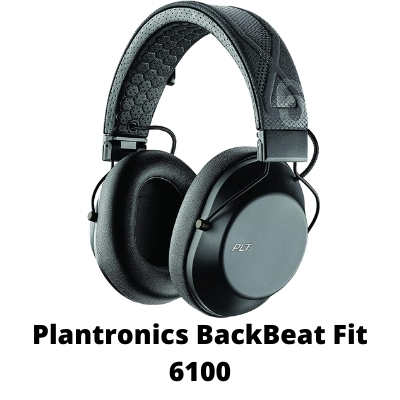
The Plantronics BackBeat Fit 6100, for example, was designed specifically for active use. Its open-back design lets in ambient sound for safety during outdoor runs while keeping the fit secure through movement.
Pro tip: If your headphones slide during intense movements, try wearing a thin workout headband over the top of the headband. It adds friction and keeps everything locked in place.
Why Over-Ear Headphones Hold Up During Exercise
You might assume that over-ear headphones are fragile. They're not — at least not the ones built for active use. Understanding why they work helps you pick the right pair and use them with confidence.
The Sound Quality Advantage
Over-ear headphones use larger drivers (the speakers inside each ear cup), typically 40mm or bigger. Larger drivers push more air, which produces deeper bass and clearer mids. That matters at the gym because bass-heavy music — hip-hop, EDM, rock — drives harder workouts. Earbuds with tiny 6-10mm drivers simply can't match that low-end punch.
Many workout-ready over-ears also include active noise cancellation (ANC), which uses microphones and processing to cancel ambient noise. ANC blocks out clanging weights and loud conversations, letting you stay in the zone. If you're weighing your options between wired and wireless for workouts, our wired vs wireless headphones comparison breaks it down in detail.
The Comfort Factor
Earbuds press directly into your ear canal. After 45 minutes of sweating, they get uncomfortable — and sometimes painful. Over-ear headphones sit around your ears, distributing pressure across a wider area. Quality workout models use:
- Memory foam ear pads with moisture-wicking fabric
- Lightweight materials (under 300g) to reduce neck fatigue
- Adjustable headbands with cushioned padding
- Breathable mesh instead of leather to reduce heat buildup
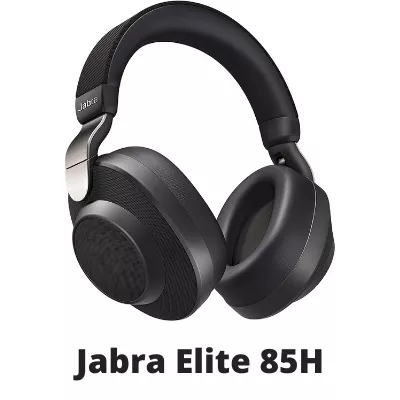
The Jabra Elite 85H is a great example. It combines plush ear cushions with smart ANC that adjusts based on your environment. At the gym, it dials noise cancellation up automatically when things get loud around you.
Top Over-Ear Headphones for Your Workout Routine
Choosing the best over-ear headphones for workouts means balancing durability, sound, battery life, and price. Here are the models that deliver across all four.
Best Overall Picks
| Model | Battery Life | Water Resistance | Weight | Best For |
|---|---|---|---|---|
| Plantronics BackBeat Fit 6100 | 24 hrs | IPX5 | 210g | Running & outdoor training |
| Jabra Elite 85H | 36 hrs | Nano-coated | 296g | Gym sessions with ANC |
| Skullcandy Crusher Wireless | 40 hrs | Sweat-resistant | 275g | Bass-heavy lifting sessions |
| Treblab Z2 | 35 hrs | IPX4 | 240g | Budget-friendly all-rounder |
| Sennheiser PXC 550-II | 30 hrs | Splash-resistant | 227g | Premium sound quality |
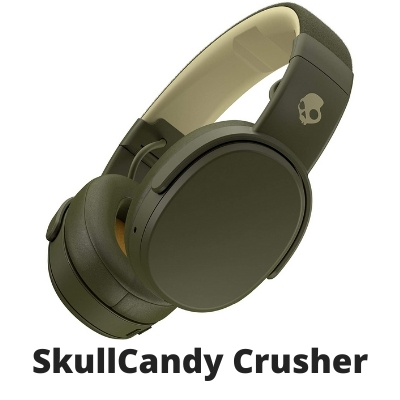
The Skullcandy Crusher Wireless deserves special attention. Its adjustable haptic bass slider lets you physically feel the low end — it's like having a subwoofer strapped to your head. For heavy lifting and powerlifting sessions, that visceral bass feedback is unmatched. The 40-hour battery life means you'll charge these roughly once a week even with daily gym use.
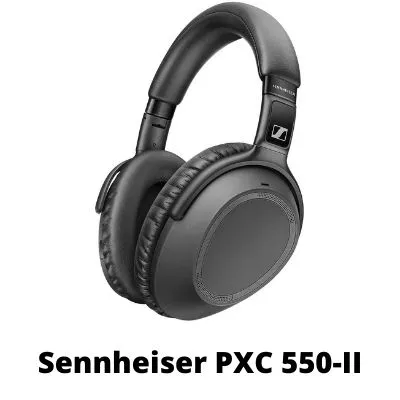
If you prioritize audio fidelity above all else, the Sennheiser PXC 550-II delivers studio-grade clarity with adaptive noise cancellation. It's lighter than most competitors at 227g, which makes it comfortable for longer training sessions. Check out our best headphone brands guide to see how Sennheiser stacks up against other top manufacturers.
Budget-Friendly Options
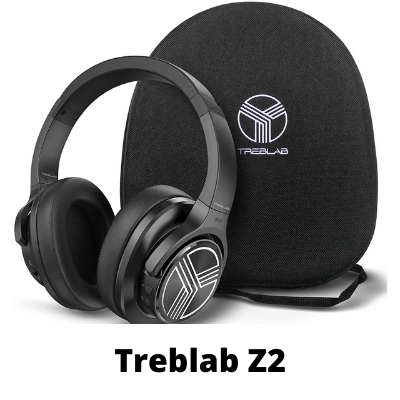
You don't need to spend a fortune. The Treblab Z2 packs ANC, 35-hour battery life, and IPX4 water resistance into a sub-$80 price point. The sound profile leans bass-forward, which is exactly what most gym-goers want. Build quality is solid plastic rather than premium metal, but it handles daily gym abuse without complaint.
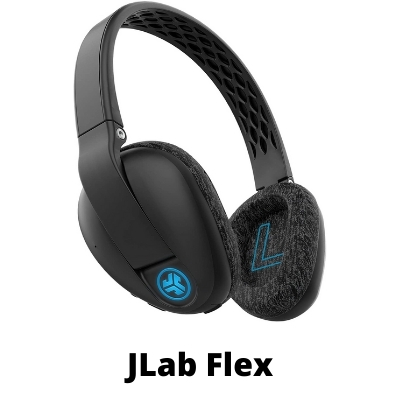
The JLab Flex Sport was purpose-built for exercise. Its sweatproof design, washable ear pads, and flexible headband make it one of the most gym-friendly over-ear headphones available at any price.
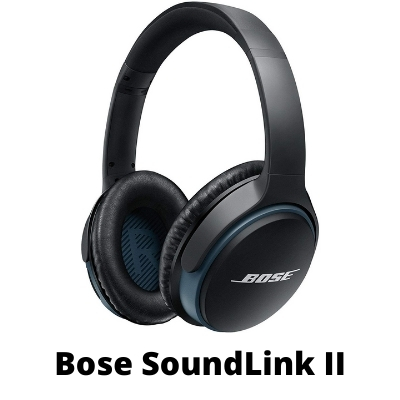
The Bose SoundLink II sits in the mid-range and offers Bose's signature balanced sound. It's not marketed as a sports headphone, but its lightweight frame and cushioned ear cups handle moderate workouts well. Just avoid drenching it — it doesn't carry an official IPX rating.
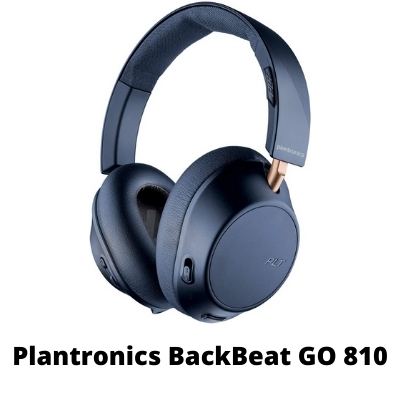
The Plantronics BackBeat GO 810 gives you ANC on a budget. It pairs well with gym use thanks to its dual-mode noise cancellation — full isolation for lifting, ambient pass-through for treadmill runs where you need to hear your surroundings.
Essential Features in the Best Over-Ear Headphones for Workouts
Not all over-ear headphones survive the gym. When you're shopping, these are the features that separate workout-ready models from couch-only ones. Our complete headphone buying guide covers general purchasing advice, but here's what matters specifically for exercise.
Sweat and Water Resistance
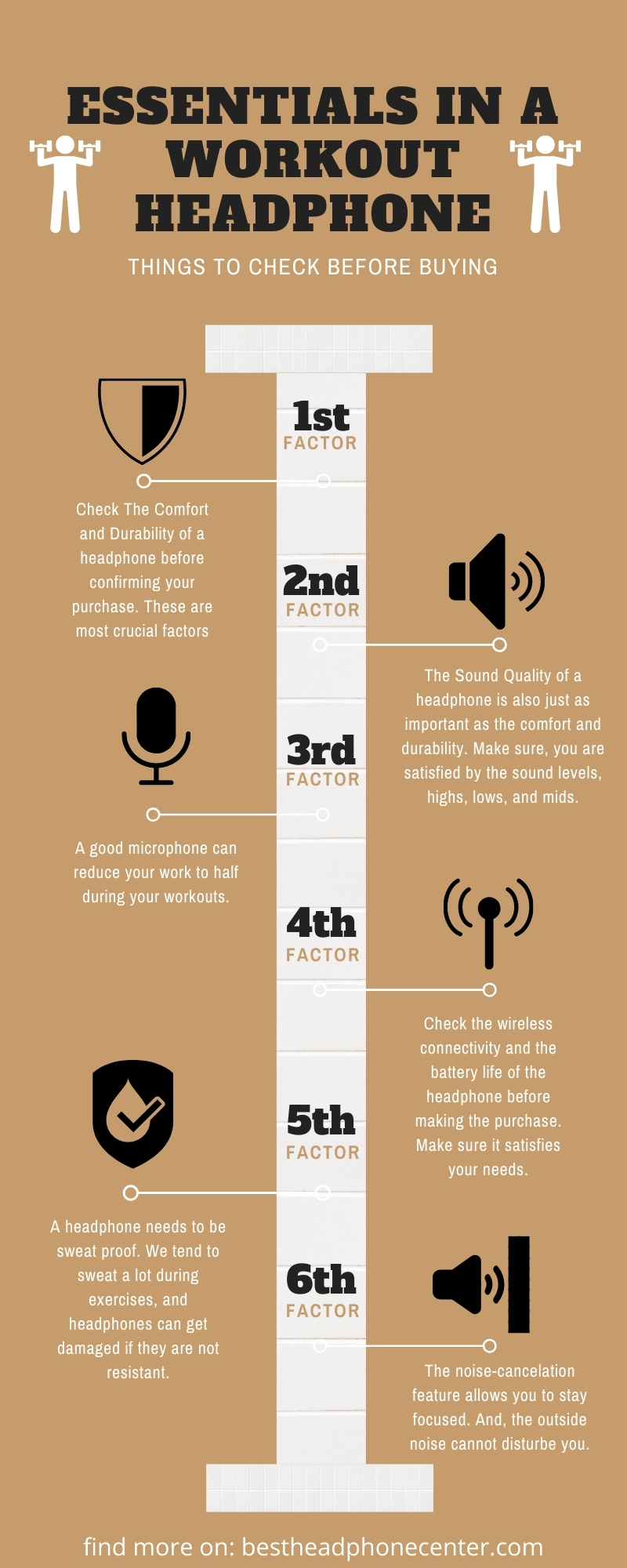
This is non-negotiable. Sweat destroys electronics. Look for an IPX4 rating or higher — IPX4 handles splashes and sweat, while IPX5 protects against low-pressure water jets. Here's what the ratings mean in practice:
- IPX4 — splash-proof; handles normal sweating during a workout
- IPX5 — jet-proof; safe for outdoor runs in rain
- IPX7 — submersible up to 1 meter; overkill for the gym but bulletproof
- No rating — use at your own risk; keep a towel handy
Some brands skip official IPX certification but use nano-coating on internal components. The Jabra Elite 85H does this — it's not officially water-rated, but the nano-coating protects against moisture damage in real-world gym conditions.
Warning: Even with a high IPX rating, never submerge your headphones in water or run them under a faucet. IPX ratings test for specific exposure patterns, not total waterproofing.
Battery Life and Secure Fit
You want at least 20 hours of battery life. Anything less means you're charging every few days, and dead headphones mid-workout are a motivation killer. The models in our picks above all exceed 24 hours, with the Skullcandy Crusher hitting 40.
Fit matters just as much. A good workout headphone clamps firmly enough to stay put during movement but not so tight that it causes pressure headaches. Look for:
- Adjustable headband with clear click-stops
- Ear cups that swivel to match your head shape
- A clamping force between 3-5 Newtons (most manufacturers don't publish this, so read user reviews about comfort)
- Ear pads deep enough to avoid pressing against your ears
Wireless connectivity is essential for workouts — you don't want a cable catching on equipment. Bluetooth 5.0 or newer gives you stable, low-latency audio with better range. If you're curious about the wired vs. wireless debate beyond the gym, check out our detailed breakdown of how the two compare.
Keeping Your Workout Headphones Clean and Functional
Your headphones soak up sweat, skin oils, and bacteria every single session. Without regular cleaning, ear pads degrade faster, hygiene suffers, and sound quality drops as grime builds up on the drivers. A little maintenance goes a long way. And while you're thinking about headphone health, it's worth reading about whether headphones can cause hearing loss — keeping volume at safe levels is part of responsible headphone care too.
Cleaning After Every Session
Make this a habit right after your workout. It takes 60 seconds and dramatically extends the life of your ear pads.
- Wipe down ear pads and headband with a slightly damp microfiber cloth
- Use a dry cloth to remove any remaining moisture
- For deeper cleaning, dampen the cloth with a 70% isopropyl alcohol solution — it kills bacteria without damaging most synthetic materials
- Never use paper towels (they leave fibers) or household cleaners (too harsh for pad materials)
Removable ear pads are a game-changer. Models like the JLab Flex Sport have machine-washable pads you can toss in with your gym clothes. If your headphones don't have removable pads, consider buying aftermarket replacements every 6-12 months — they're usually $10-$20 and make old headphones feel brand new.
Storage and Long-Term Care
How you store your headphones between workouts matters more than most people realize. Tossing them loose in a gym bag crushes ear pads and bends headbands over time.
- Use the carrying case that came with your headphones — if it didn't include one, buy a generic hard-shell case
- Store in a cool, dry place; heat and humidity accelerate pad degradation
- Don't leave them in your car — extreme temperatures damage batteries and adhesives
- Fold or collapse them if the design allows it (reduces stress on the hinges when stored flat)
Battery care is simple: avoid letting the battery drain to zero regularly. Lithium batteries last longest when kept between 20% and 80% charge. Occasional full drains are fine, but making it a habit shortens the overall battery lifespan. Most modern headphones get 500+ full charge cycles before noticeable degradation — that's roughly 3-4 years of daily gym use.
Key Takeaways
- The best over-ear headphones for workouts combine sweat resistance (IPX4+), secure fit, deep bass from large drivers, and battery life exceeding 20 hours.
- Over-ear headphones work best for weightlifting and moderate cardio — if you do high-impact HIIT, test the fit before committing.
- Wipe down your headphones after every session and store them in a hard case to protect your investment and extend their lifespan.
- You don't need to spend big — models like the Treblab Z2 and JLab Flex Sport deliver workout-ready performance at budget-friendly prices.


About Simon B.
Simon here is an audiophile that loves to try out new audio equipment and loves to listen to different genres of music. Being an active student of Audio Electronics, He is more than capable of discussing different elements of headphones. A Powerful Music Can Change The Tone Of Your Heart, That Is The Real Power Of Music.
Get FREE Headset Gifts now. Or latest free Music Guide from our best collections.
Disable Ad block to get all the secrets. Once done, hit any button below