Have you ever put on your headset, started talking, and suddenly heard your own voice playing back through the earpieces? It's disorienting the first time it happens. If you're hearing your own voice in your headset, the cause is almost always one of three things: a deliberate audio feature called sidetone, a misconfigured software setting, or a hardware issue with your cable or device. The fix is usually simple — but you need to know which category you're in first. If you're also shopping for a new headset, our headphone buying guides can point you in the right direction.
Understanding whether you're dealing with a feature or a flaw changes your whole approach. In some situations, hearing yourself is actually useful — it helps you regulate your speaking volume naturally. In others, it's a nuisance that's easy to eliminate once you know where to look. This guide walks through both sides.
By the end, you'll know exactly what's causing the feedback in your specific setup and have a clear path to fixing it — or using it to your advantage.
Contents
- Why You Hear Your Own Voice in a Headset
- Myths About Voice Feedback You Should Stop Believing
- Wired vs. Wireless: Does Connection Type Matter?
- How to Fix It — Simple Steps and Advanced Settings
- Diagnosing the Exact Cause Step by Step
- When Hearing Yourself Is Normal — and When It Isn't
- Frequently Asked Questions
- Next Steps
Why You Hear Your Own Voice in a Headset
When you speak while wearing a headset, your voice gets picked up by the built-in microphone. Depending on how your device or headset is configured, that microphone signal can be routed back into your earpieces — and that's exactly when you hear yourself. It's not random. There's always a specific reason it's happening.
What Sidetone Actually Is
Sidetone is the intentional routing of your microphone signal back into your own ears at a low volume. According to Wikipedia, sidetone was originally a byproduct of early telephone circuits, but engineers eventually recognized it helped callers regulate their speaking volume. Today it's a deliberate feature on most call-center headsets, many gaming headsets, and some Bluetooth earbuds. If your headset has a sidetone dial or a "mic monitoring" slider in its companion app, that's your most likely culprit. High sidetone levels make your voice sound like a clear, slightly delayed echo.
Tip: Before assuming something is broken, open your headset's companion app and look for a "sidetone" or "mic monitoring" slider — setting it to zero takes about ten seconds and often solves the problem immediately.
Other Causes Worth Knowing
Not everything is sidetone. Windows has a setting called "Listen to this device" that routes your microphone audio directly to your speakers or headset in real time. If this gets turned on accidentally — which can happen during driver updates or system resets — you'll hear yourself constantly. Excessive mic gain (how sensitive your microphone is) can also cause your voice to bleed into the output channel, especially on cheap USB headsets. And sometimes a damaged cable, particularly one with a kink near the connector, creates crosstalk that mimics feedback.
Myths About Voice Feedback You Should Stop Believing

When people start hearing their own voice, they often jump to one of two conclusions — and both of them are usually wrong. Getting past these misconceptions saves you from wasting time on the wrong fix.
It Doesn't Mean Your Headset Is Broken
A brand-new headset straight out of the box can make you hear yourself if sidetone is enabled by default. That's not a defect — it's a factory setting. Before deciding your hardware is faulty, spend two minutes checking your audio software. Hardware failures that cause genuine voice feedback are relatively rare, and they're almost always accompanied by other symptoms like static, crackling, or intermittent audio drops.
Price Has Nothing to Do With It
You might assume only budget headsets suffer from this problem, but the opposite is often true. Premium gaming headsets and professional call headsets are more likely to have sidetone built in — and turned on by default — because that's what their target users need. A $200 headset can have more prominent self-monitoring than a $30 one. Price tells you about build quality and sound fidelity, not about whether you'll hear yourself.
Wired vs. Wireless: Does Connection Type Matter?
Your connection type does influence how and why voice feedback occurs. For a broader comparison of how these two headset types differ in daily use, see this guide on wired vs wireless headphones. Here's a quick breakdown specific to voice feedback:
| Connection Type | Sidetone Risk | Mic Feedback Risk | Where to Fix It |
|---|---|---|---|
| Wired (3.5mm) | Low | Medium | OS sound settings |
| Wired (USB) | Medium | Medium | Companion app + OS settings |
| Wireless (Bluetooth) | Low–Medium | Low | Headset app or phone settings |
| Wireless (2.4GHz dongle) | Medium–High | Low | Companion app |
Why USB Headsets Behave Differently
USB headsets contain their own built-in audio card (called a DAC — digital-to-analog converter). Windows treats them as a completely separate audio device, which means your sidetone setting won't be in the standard Windows Sound panel. It lives inside a dedicated companion app like Logitech G Hub, SteelSeries Engine, or Corsair iCUE. If you're using a USB headset and can't find the setting in Windows, go straight to the manufacturer's software.
Bluetooth and Wireless Considerations
Bluetooth headsets switch between two different audio modes — HFP (Hands-Free Profile, used during calls) and A2DP (Advanced Audio Distribution Profile, used for music playback). When the profile switches, the audio routing changes. This is why some people hear themselves only during calls but not while listening to music. It's a profile-level behavior, not a hardware fault, and it varies by headset model.
How to Fix It — Simple Steps and Advanced Settings
Quick Fixes to Try First
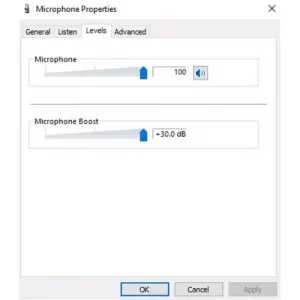
Start with the fastest options. Check your headset's physical ear cup or inline cable for a sidetone or mic monitoring dial — turn it all the way down. On Windows, navigate to Settings → System → Sound → your microphone → Device Properties → Additional Device Properties → Listen tab, and make sure "Listen to this device" is unchecked. Restart your headset and reconnect it. These three steps resolve the issue for the majority of users without any further troubleshooting.
If your headset has a companion app, open it and look for a "voice monitoring" or "sidetone" slider and set it to zero. For a full walkthrough of using your headset microphone effectively without creating feedback, check out this guide on how to use headphones as a mic on PC.
Warning: Don't reduce your mic gain to zero trying to fix this — your voice will become inaudible to others. The goal is to lower monitoring level, not mic sensitivity.
Advanced Settings for More Control
If the basic steps didn't resolve it, open Device Manager and look for yellow warning icons on your audio devices — outdated drivers are a surprisingly common cause. Update them. On Mac, go to System Preferences → Sound → Input and reduce the input volume if it's set near maximum. On PlayStation, the controller's audio settings include a dedicated "sidetone" level that's separate from game and chat volume — check there if you've only noticed the issue on console. Gaming console users often overlook the controller audio menu entirely.
Diagnosing the Exact Cause Step by Step

Isolating the Issue
Plug your headset into a completely different device — a phone, a tablet, a second computer, anything available. If you still hear yourself on the second device, the issue is in the headset itself (likely a sidetone setting or hardware fault). If the problem disappears on the other device, it's a software or driver issue specific to your original machine. This single test narrows your options significantly and tells you exactly where to focus next.
If you're using a wired headset, try swapping the cable. Damaged cables — particularly ones bent near the connector end — can cause crosstalk, where the mic signal leaks into the audio channel. Related audio interference issues are covered in detail in this guide on how to remove static noise from headphones, and many of the root causes overlap.
Testing Mic Gain
Open your sound settings and watch the microphone input level meter while speaking at a normal conversational volume. If the meter is hitting the maximum even when you speak softly, your mic gain is set too high. Reduce it by 10 percent at a time until the meter sits comfortably in the middle of its range at normal speaking volume. Excessive gain is one of the most common reasons people hear themselves — the microphone is picking up sound so aggressively that the signal bleeds into the output.
Pro insight: If you reduce mic gain to fix feedback but your voice sounds too quiet to others, use mic boost carefully — even a +10 dB boost can reintroduce the bleed if gain was the original problem.
When Hearing Yourself Is Normal — and When It Isn't

Cases Where Sidetone Is Actually Helpful
If you work in a noisy environment — a busy office, a warehouse, outdoors — sidetone gives you real-time feedback about how loud you're speaking. Without any self-monitoring, you'll naturally raise your voice to overcome the ambient noise you're hearing in your ears. That leads to shouting, listener fatigue, and strained vocal cords over a full workday. A low level of sidetone lets your brain naturally calibrate your volume without any conscious effort. Professional call-center workers rely on it for exactly this reason.
When You Should Definitely Turn It Off
For gaming, recording, streaming, or podcasting, sidetone is almost always a distraction. Hearing yourself mid-game breaks concentration. In recording sessions, it can throw off your pacing and delivery. If you're comparing headsets specifically for these use cases, the guide on gaming headsets vs. headphones covers how different headset designs handle mic routing and monitoring. For these scenarios, set sidetone to zero and don't look back.

For most casual users — people who take occasional calls or use a headset for video chats — the answer is simple: leave sidetone off unless you actively need it. Your call quality won't suffer, and the headset experience will feel far more natural.
Frequently Asked Questions
Why am I hearing my own voice in my headset on Xbox or PlayStation?
Both consoles include a sidetone (called "mic monitoring" or "headset sidetone") setting in their audio menus. On PlayStation, it's in Settings → Sound → Audio Output. On Xbox, check Profile & System → Settings → General → Volume & Audio Output. Reducing that slider to zero will stop the self-monitoring.
Is sidetone harmful to your hearing?
At normal levels, sidetone is not harmful. It's designed to play your voice back at a low, comfortable volume — not at a level that risks hearing damage. Only extremely high sidetone settings combined with shouting could potentially cause discomfort, but that would be obvious immediately.
How do I turn off hearing my own voice in my headset on Windows 10?
Right-click the speaker icon in the taskbar, select Sounds, go to the Recording tab, double-click your microphone, click the Listen tab, and make sure "Listen to this device" is unchecked. Also check your headset's companion app for a separate sidetone control.
Can a damaged cable cause me to hear my own voice?
Yes. A damaged cable — particularly one with a kink or break near the headphone jack — can create crosstalk, where the microphone signal bleeds into the audio output channel. If swapping to a new cable eliminates the feedback, the cable was the problem.
Why do I only hear myself during calls but not while listening to music?
This is almost always a Bluetooth profile issue. During calls, your headset uses HFP (Hands-Free Profile), which routes mic audio back to your ears. During music playback, it uses A2DP, which doesn't. The behavior is normal for many Bluetooth headsets — check your headset app for a sidetone setting specific to call mode.
Does noise cancellation affect whether I hear myself?
Active noise cancellation (ANC) doesn't directly cause or prevent voice feedback — it targets external ambient sound, not your microphone signal. However, some ANC headsets use an "awareness mode" or "transparency mode" that deliberately passes sound (including your voice) through to your ears. If you're in one of these modes, switching back to standard ANC or off mode will stop it.
How do I know if it's sidetone or the "Listen to this device" Windows setting?
Plug your headset into a phone or second device and speak. If you still hear yourself, it's the headset's sidetone setting. If the problem only appears on your Windows computer, it's more likely the "Listen to this device" option or a driver issue — both of which are software-side fixes.
Should I use sidetone when gaming?
Most gamers prefer to turn sidetone off completely. Hearing your own voice while gaming is distracting and can pull you out of immersion, particularly in competitive play. The exception might be if you game in a very loud environment and need to monitor your speaking volume — in that case, a very low sidetone level is a reasonable compromise.
Next Steps
- Open your headset's companion app (or your console's audio settings) and set the sidetone or mic monitoring slider to zero right now — this resolves the issue for most people in under a minute.
- On Windows, navigate to the Recording tab in Sound settings, open your microphone's Properties, and confirm "Listen to this device" is unchecked.
- Test your headset on a second device (phone, tablet, or another computer) to determine whether the issue is in the headset itself or specific to your main machine.
- If the problem persists, update your audio drivers through Device Manager or your headset manufacturer's software — outdated drivers are a common overlooked cause.
- If none of the above work, try a replacement cable (for wired headsets) or contact your manufacturer — a hardware-level fault may require a repair or warranty exchange.


About Simon B.
Simon here is an audiophile that loves to try out new audio equipment and loves to listen to different genres of music. Being an active student of Audio Electronics, He is more than capable of discussing different elements of headphones. A Powerful Music Can Change The Tone Of Your Heart, That Is The Real Power Of Music.
Get FREE Headset Gifts now. Or latest free Music Guide from our best collections.
Disable Ad block to get all the secrets. Once done, hit any button below