Ever cranked your volume slider all the way up and still felt like your headphones weren't delivering enough punch? You're not alone — and the fix is usually simpler than you think. Learning how to make headphones louder involves a combination of software tweaks, hardware upgrades, and proper maintenance that most people overlook entirely. Whether you're on a Windows PC or an Android phone, this guide walks you through every proven method to squeeze more volume and clarity from your existing setup. If you're also in the market for new gear, check out our complete buying guide to find headphones that deliver the volume you need out of the box.
Low headphone volume stems from multiple causes — software limiters, underpowered audio outputs, dirty connections, or simply using headphones with high impedance on a weak source. The good news is that each of these problems has a clear solution. Below, you'll find platform-specific steps, hardware recommendations, and maintenance tips that collectively guarantee louder, cleaner audio.
Before diving into fixes, it helps to understand that volume isn't just about the number on your slider. It's about the entire signal chain from your audio source through the DAC, amplifier stage, cable, and finally the driver inside your headphone. A weak link anywhere in that chain limits your maximum output. For a deeper look at how connections affect sound, our breakdown of headphone jacks and plugs covers the fundamentals.
Contents
Volume-Boosting Methods Compared
Not every method suits every situation. Here's a quick comparison of the most effective ways to make headphones louder, ranked by effectiveness and cost:
| Method | Platform | Cost | Volume Gain | Risk of Distortion |
|---|---|---|---|---|
| Windows Loudness Equalization | PC | Free | +20–40% | Low |
| Disable Android Volume Limiter | Android | Free | +15–25% | None |
| EQ Pre-amp Boost | Both | Free | +10–30% | Medium |
| Third-Party Software Booster | PC | Free–$20 | +30–50% | Medium-High |
| Portable Headphone Amp | Both | $30–$200 | +50–200% | Very Low |
| External DAC/Amp Combo | Both | $50–$300 | +100–300% | Very Low |
Software solutions are free and instant, but they push the existing signal harder — which introduces distortion at extremes. Hardware solutions deliver clean power without clipping, making them the superior long-term fix for anyone serious about audio quality. That said, start with the free options first. You might not need to spend a cent.
How to Make Headphones Louder on PC
Windows has several built-in features that artificially limit or can boost your headphone volume. Most users never touch these settings, leaving significant volume on the table.
Windows Sound Settings
Follow these steps to maximize your PC headphone volume:
- Right-click the speaker icon in your taskbar and select Sound Settings
- Click your output device and ensure the volume slider is at 100%
- Scroll down to "Advanced" and select your headphones' properties
- Under the "Enhancements" or "Audio Enhancements" tab, enable Loudness Equalization
- Under "Advanced," set the sample rate to the highest available option (usually 24-bit, 48000 Hz)
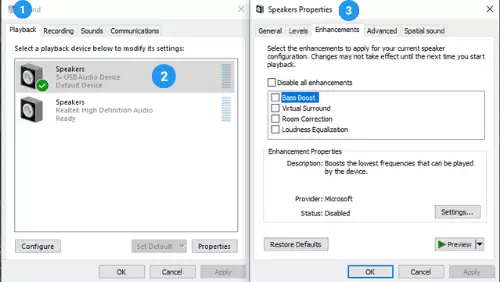
Loudness Equalization compresses the dynamic range, making quiet passages louder while capping peaks. It's not true amplification, but it makes everything feel substantially louder without adding hardware. Gamers who use gaming headsets under $150 benefit hugely from this setting since budget headsets often ship with conservative tuning.
Using the Built-in Equalizer
Windows' built-in EQ lets you boost specific frequency bands. To increase perceived loudness:
- Boost the 1kHz–4kHz range by 3–5 dB — this is where human hearing is most sensitive
- Add a gentle 2–3 dB lift at 60–100 Hz for bass presence
- Keep the pre-amp slider at 0 dB to avoid clipping, then raise it only if no distortion appears
The EQ approach works because our ears perceive certain frequencies as "louder" at the same decibel level. Boosting the midrange presence region tricks your brain into hearing more volume without actually increasing the electrical signal much.
Third-Party Volume Boosters
Applications like Equalizer APO (free, open-source) and FxSound give you more granular control than Windows' native tools. Equalizer APO in particular lets you add a system-wide pre-amp gain of up to +20 dB — enough to drive even high-impedance audiophile headphones from a laptop's built-in audio.
Warning: Pushing software gain beyond +6 dB without a proper amplifier introduces clipping and can damage your headphone drivers over time. If you need more than +6 dB of software boost consistently, invest in a dedicated amp instead.
How to Make Headphones Louder on Android
Android devices ship with volume safety limiters enabled by default in most regions — particularly the EU, where regulations cap output at 85 dB. Here's how to reclaim that lost volume.
Disabling Volume Limiters
The exact path varies by manufacturer, but the general process is:
- Go to Settings → Sound & Vibration → Volume
- Look for "Media Volume Limiter" or "Safe Hearing" and disable it
- On Samsung devices: Settings → Sounds → Volume → tap the three dots → Media Volume Limiter → Off
- On stock Android: you'll get a warning popup when exceeding 70% volume — confirm to unlock full output
Once disabled, your phone's DAC delivers its full rated output power. This alone can increase your volume by 15–25% depending on the device and region.
Volume Booster Apps
For Android, apps like Wavelet (free) offer per-headphone EQ profiles and a pre-amp boost. Wavelet is particularly useful because it applies equal-loudness contour corrections automatically, making your headphones sound louder and more balanced simultaneously.
- Wavelet — AutoEQ with 3,000+ headphone profiles, free
- Poweramp Equalizer — system-wide EQ with pre-amp, works with all apps
- Viper4Android — advanced DSP (requires root), maximum control
If you're using Bluetooth headphones and experiencing low volume specifically over wireless, the issue is often the Bluetooth codec. Switch from SBC to aptX or LDAC in Developer Options for better dynamic range. Our comparison of wired vs wireless headphones explains how codecs affect audio quality in detail.
Hardware Upgrades That Actually Work
When software tweaks hit their ceiling, hardware is the answer. The most effective upgrade for making headphones louder is adding a dedicated amplifier between your source and your headphones.
Headphone Amplifiers
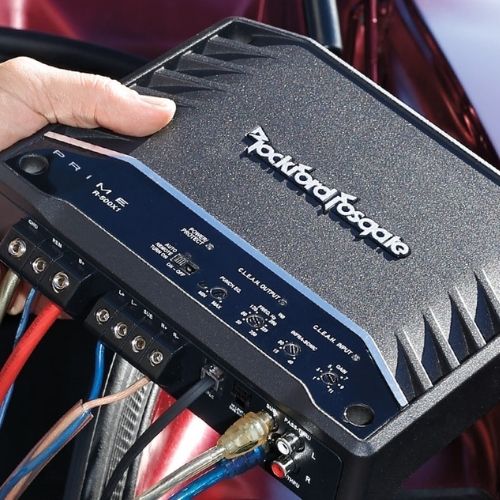
A headphone amplifier takes the line-level signal from your device and amplifies it with a dedicated circuit designed specifically for driving headphone transducers. Unlike software boosting, a proper amp increases voltage and current without introducing distortion.
- Portable amps (FiiO A3, Topping NX4) — battery-powered, clip to your phone or DAP. Great for Android users
- Desktop amps (Schiit Magni, JDS Labs Atom) — plug into your PC's line output, drive anything from 16Ω earbuds to 600Ω planar magnetics
- Tube amps — warm sound signature with natural harmonic distortion, ideal for audiophile-grade headphones
If your headphones have an impedance above 80Ω, you almost certainly need an amp to reach satisfying volume levels from a laptop or phone. Check your headphone specs — impedance is always listed.
External DACs
Your computer's built-in DAC (digital-to-analog converter) is often the weakest link. A USB DAC bypasses it entirely, converting digital audio with a superior chip and feeding a cleaner signal to your amp or headphones.
Budget DAC/amp combos like the FiiO E10K or Topping DX3 Pro give you both a better DAC and more amplification power in one unit. For most people, this single purchase solves low volume permanently. Browse our buying guides for curated recommendations at every price point.
Fixing Common Volume Problems
Sometimes low volume isn't about settings or power — it's a symptom of a specific technical issue. Here's how to diagnose and fix the most common culprits.
One Side Quieter Than the Other
If one ear is noticeably quieter, the problem is usually:
- Earwax or debris blocking the driver mesh — clean with a dry soft brush
- A partially broken cable — wiggle the connector while listening; crackling confirms a break
- Balance settings shifted — check Windows Sound → Levels → Balance, or Android Accessibility → Audio Balance
For persistent issues with static or crackling, a failing cable is almost always the cause on wired headphones. Replacing the cable (if detachable) or re-soldering the joint fixes it permanently.
Bluetooth Volume Issues
Bluetooth headphones have two independent volume controls — the phone's media volume and the headphone's internal volume. Both need to be at maximum for full output. On Android, enable "Disable Absolute Volume" in Developer Options to decouple them, giving you finer control.
Keeping Your Headphones at Peak Volume
Headphones lose volume over time due to physical degradation that's entirely preventable with basic care. A well-maintained pair delivers consistent output for years.
Cleaning Drivers and Mesh
The mesh screen covering your headphone drivers accumulates earwax, dust, and skin oils. This buildup physically blocks sound waves, reducing perceived volume by up to 30% in severe cases.
- Remove ear pads weekly and wipe with a slightly damp cloth
- Use a soft-bristled toothbrush on the driver mesh — gentle circular motions
- For IEMs, soak silicone tips in warm soapy water; never submerge the driver housing
- Compressed air at low pressure clears stubborn debris from grilles
If your durable headphones have served you well for over a year without cleaning, you'll be surprised how much volume you've been missing.
Cable and Connector Care
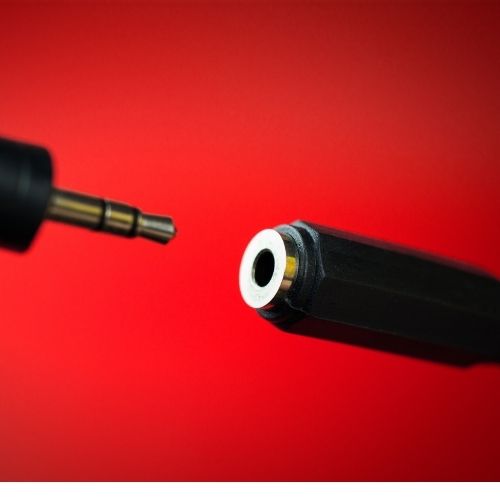
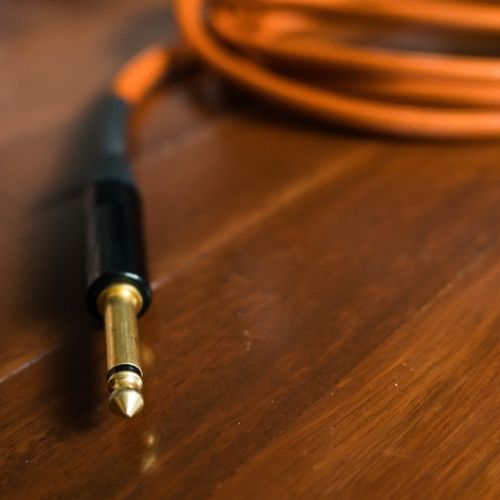
Oxidized connectors create resistance that literally steals volume from your signal. The 3.5mm jack is particularly vulnerable because it's exposed to pocket lint, moisture, and repeated insertion wear.
- Clean your headphone plug monthly with isopropyl alcohol on a cotton swab
- Clean your device's headphone jack with a wooden toothpick (never metal)
- Store headphones loosely coiled — tight wrapping stresses internal wires at the plug
- Replace fraying cables before they fail completely
When to Boost Volume vs. When to Replace Your Headphones
Not every low-volume situation warrants troubleshooting. Sometimes your headphones are simply the wrong tool for the job. Here's how to decide whether to optimize or upgrade.
Keep and boost when:
- Your headphones sound great at low volume but run out of headroom
- Volume is fine on one device but not another (source problem, not headphone problem)
- Your headphones have high impedance (80Ω+) and you're driving them from a phone
- The issue started recently — suggests a settings change or dirty connection
Replace when:
- Volume has degraded gradually over months despite cleaning (driver aging)
- You hear distortion at moderate volumes (voice coil damage)
- One side is permanently quieter after cable inspection (internal wire break)
- Your headphones have low impedance (under 32Ω) and are already at max on all devices
If you're in the market for replacements, keep in mind that sensitivity (measured in dB/mW) matters more than impedance for volume. Headphones rated above 100 dB/mW play loud from any source. Our list of the best headphone brands covers manufacturers known for high-sensitivity drivers. And remember — listening at sustained high volumes carries real risks. Our article on headphones and hearing loss covers safe listening practices you should follow regardless of how loud your gear can go.
Frequently Asked Questions
Is it safe to use volume booster software?
Volume booster software is safe in moderation. Keep the boost under +6 dB to avoid clipping and driver stress. Beyond that threshold, you risk introducing distortion that sounds harsh and can degrade your headphone drivers over extended use. A hardware amp is the safer choice for significant volume increases.
Why are my headphones quiet even at max volume?
The most common causes are high headphone impedance paired with a weak source, enabled volume limiters (especially on Android), dirty connectors reducing signal strength, or Windows audio enhancements being disabled. Work through each possibility systematically starting with software settings before considering hardware.
Do headphone amplifiers improve sound quality or just volume?
Both. A quality amp provides cleaner power delivery, which improves dynamic range, bass control, and stereo imaging — not just raw volume. The improvement is most noticeable with higher-impedance headphones that can't reach their full potential from a phone or laptop output.
Can I make Bluetooth headphones louder?
Yes. Disable absolute volume in Android Developer Options to separate phone and headphone volume controls. Switch to a higher-quality codec (aptX HD or LDAC) for better dynamic range. Some Bluetooth headphones also have companion apps with built-in EQ and volume boost features.
Does the headphone jack affect volume output?
Absolutely. A 3.5mm jack delivers only what the built-in amplifier provides — typically 1–2 Vrms on laptops. USB-C audio adapters and external DACs bypass the internal amp entirely, often delivering significantly more power. The physical condition of the jack also matters — corrosion or lint creates resistance that reduces output.
Will making headphones louder damage my hearing?
Sustained listening above 85 dB causes cumulative hearing damage regardless of your equipment. The WHO recommends limiting exposure to 85 dB to one hour daily. Use your phone's built-in dB meter or a free app to check your actual listening level, and take breaks every 60 minutes during extended sessions.
Key Takeaways
- Start with free software fixes — disabling volume limiters, enabling Loudness Equalization, and adjusting EQ settings often provide enough of a boost without spending anything.
- A dedicated headphone amplifier is the single most effective upgrade for making headphones louder without distortion, especially for high-impedance models.
- Regular maintenance (cleaning driver mesh, polishing connectors, replacing worn cables) prevents gradual volume loss that most users mistake for aging hardware.
- Always monitor your actual listening levels — louder headphones are only beneficial if you protect your hearing with safe volume habits and regular breaks.


About Simon B.
Simon here is an audiophile that loves to try out new audio equipment and loves to listen to different genres of music. Being an active student of Audio Electronics, He is more than capable of discussing different elements of headphones. A Powerful Music Can Change The Tone Of Your Heart, That Is The Real Power Of Music.
Get FREE Headset Gifts now. Or latest free Music Guide from our best collections.
Disable Ad block to get all the secrets. Once done, hit any button below