Using headphones for workouts can sharpen your focus, boost your motivation, and make even the hardest sessions feel more manageable. Most people who train with music notice real benefits — and the research backs that up. Browse our buying guides to find the right pair for how you actually train.
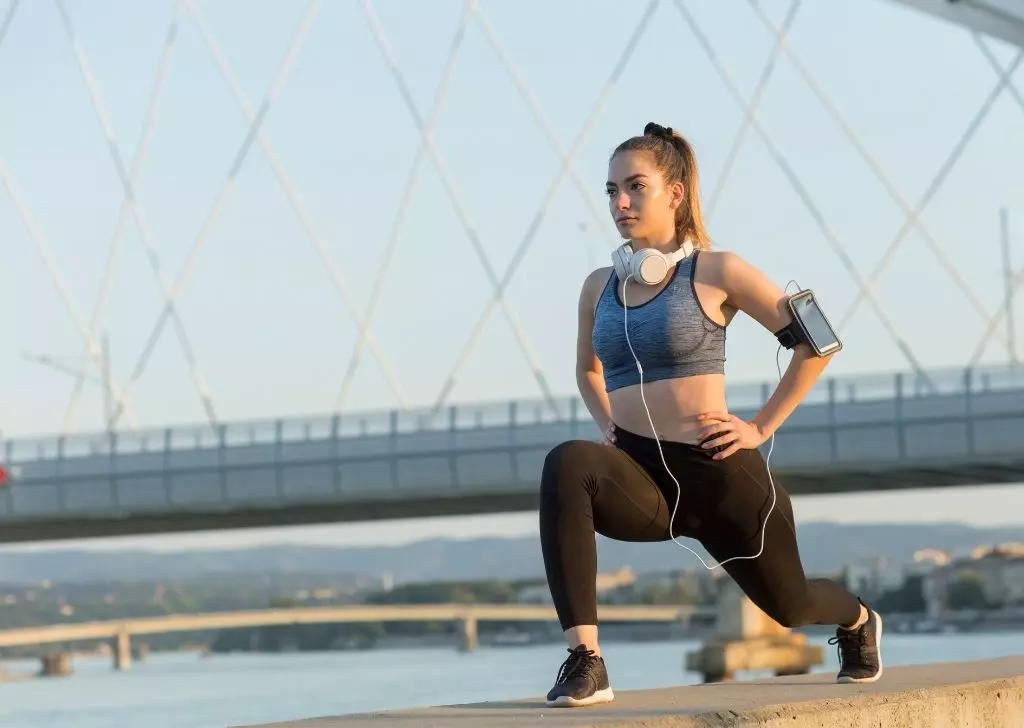
But not every pair of headphones belongs in a gym bag. Some fall out mid-rep. Others get destroyed by sweat. And a few can quietly damage your hearing if you're not paying attention. Knowing the trade-offs before you buy puts you in control — not the other way around.
Below, we walk through common myths, a side-by-side gear comparison, how different workout types change your needs, and the care habits that actually keep your headphones alive long-term.
Contents
What People Get Wrong About Headphones for Workouts
The "Any Headphone Will Do" Myth
One of the most common assumptions is that whatever headphones you already own are fine for exercise. This isn't quite right. Regular consumer headphones are not built for movement or moisture, and using them during intense sessions leads to slipping fit, audio dropouts, or damage you won't see coming until it's too late.
Here's what changes the moment you start working out:
- Your head moves constantly — headphones need to stay put through jumps, bends, and lifts
- Sweat builds fast — moisture corrodes internal components over time
- Ambient noise competes with your audio — gym equipment, wind, and traffic all add up
- Safety matters outdoors — you need to hear your environment, especially during runs
Look for an IP (ingress protection) rating on any headphone you plan to use for training. The label "IPX4" means it can handle sweat splashing from multiple directions. Regular headphones often carry no rating at all. To understand how your headphone choices ripple into daily habits, see How Headphones Affect Your Daily Life.
The Waterproof vs. Sweat-Proof Confusion
People use "waterproof" and "sweat-proof" interchangeably, but they're different things. Here's a quick breakdown of the most common workout ratings:
- IPX4 — Splash resistant from any angle; handles most gym sessions
- IPX5 — Low-pressure water jets; good for heavy sweaters or outdoor use
- IPX7 — Submersible up to 1 meter for 30 minutes; best for swimmers or rainy conditions
According to Wikipedia's overview of the IP rating system, the number following "IPX" directly indicates the level of liquid protection — the higher the number, the more protected you are.
Wired vs. Wireless: A Direct Look for Workouts
The wired vs. wireless debate looks different in a training context. Neither option is universally better — your sport and your habits determine which one actually works for you. For a full breakdown of the topic, read our guide on Wired vs Wireless Headphones.
Side-by-Side Breakdown
| Feature | Wired Headphones | Wireless (Bluetooth) Headphones |
|---|---|---|
| Cable snag risk | High — can pull out mid-rep | None |
| Audio latency | Zero — instant sync | Slight delay (usually unnoticeable) |
| Battery life | No battery needed | Typically 6–10 hours per charge |
| Sound quality | Marginally better (no compression) | Good — modern codecs are close |
| Range of motion | Limited by cable length | Full freedom of movement |
| Price | Often lower for equivalent quality | Higher due to wireless components |
| Fit security | Cable tension can pull loose | Generally more stable |
| Best for | Stationary lifts, home stretching | Running, HIIT, cycling |
For most dynamic workouts — running, HIIT (high-intensity interval training), cycling — wireless earbuds win on convenience and freedom of movement. For slow lifting or home workouts where cable management isn't a problem, wired headphones deliver solid value at a lower price.
How Your Workout Type Changes What You Need
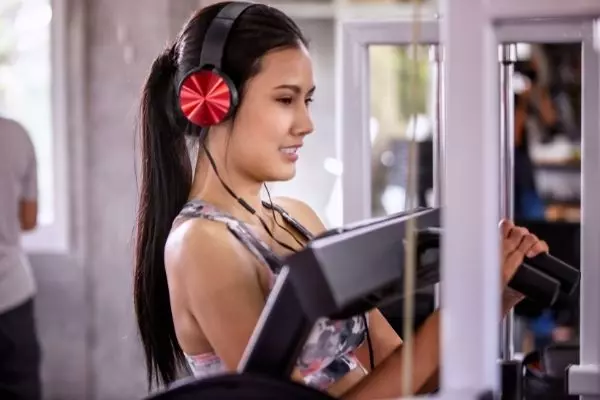
What works great on the treadmill might frustrate you during a heavy deadlift. Matching your audio gear to your activity type matters more than most people expect. If you're curious how to make music work harder for you during training, 10 Things To Do While Listening To Music has some practical ideas.
Running and Cardio
Running puts the highest physical stress on your headphones. High bounce, arm swing, and wind noise all challenge both fit and audio. For runners, these features matter most:
- Secure fit — ear hooks or wing tips prevent bounce-out at higher paces
- IPX5 or higher — for heavy sweat and potential rain exposure
- Ambient or transparency mode — lets you hear traffic and other runners without removing earbuds
- Lightweight design — reduces ear fatigue on longer runs
- Strong bass — helps you maintain rhythm during tempo work
Weightlifting and Gym Sessions
Gym lifting is more forgiving on fit since you're mostly stationary. But loud ambient noise shifts your priorities in a different direction:
- Noise isolation helps you concentrate without pushing volume to dangerous levels
- Over-ear or on-ear headphones are acceptable — you're not jumping around
- Battery life becomes more critical — long gym sessions drain wireless earbuds quickly
- Ear padding and headband pressure become noticeable after 60 or 90 minutes of continuous wear
Outdoor and High-Intensity Sports
Trail running, cycling, and team sports are the most demanding conditions. You need gear that is tough, secure, and safe. Two options worth considering for outdoor athletes:
- Single-ear listening — one earbud in, one ear open to the environment
- Bone conduction headphones — these vibrate your skull to deliver sound, leaving your ear canal completely open for ambient awareness
New Athlete vs. Serious Trainer: Different Priorities

Where you are in your fitness journey directly shapes what you need from your headphones. A beginner and an experienced athlete might buy the same pair and have completely different experiences — not because the headphones are bad, but because their use cases don't match.
What Beginners Should Focus On
If you're just building a consistent exercise habit, keep it simple. You don't need the most expensive pair on the market. Prioritize these things:
- Comfort for shorter sessions — you're building a routine, not training for competition yet
- Basic sweat resistance — IPX4 is enough for most beginner workouts
- Intuitive controls — easy volume and play/pause buttons keep your focus on the workout, not the device
- Reasonable budget — your preferences will change as your training evolves
- A solid mid-range wireless earbud handles most beginner use cases well
Before you buy, spend a few minutes with the Complete Headphone Buying Guide to understand which features you're actually paying for. And if you want a starting point for brand reliability, Best Headphone Brands to Consider narrows it down quickly.
What Experienced Athletes Look For
Serious athletes have already learned what they need the hard way. Their priorities shift noticeably from beginner concerns:
- Higher IP ratings (IPX5–IPX7) for consistent heavy-sweat training days
- Specialized fit systems — adjustable ear hooks, memory foam tips, or sport stabilizer fins
- Quick-charge capability — 10 minutes charging equals roughly 1 hour of playback
- Multipoint connection — seamlessly switches between phone, smartwatch, and other devices
- Better frequency response for audio-cued training — voice coaching, pace alerts, interval timers
How to Keep Your Workout Headphones in Good Shape
Even well-rated sweat-resistant headphones break down faster without basic care. Sweat contains salts and mild acids that degrade silicone ear tips, corrode metal contacts, and weaken adhesives over months of daily use. A few minutes of care after each session adds up to significantly longer gear life.
After-Session Care
Follow this routine after every workout:
- Wipe down earbuds or the headband with a dry microfiber cloth right after you finish
- Remove silicone ear tips, rinse with plain water, and let them air-dry completely before reattaching
- Avoid alcohol wipes on soft silicone — alcohol degrades the material over time
- Air-dry headphones before putting them in a case — moisture sealed inside accelerates damage
- Check the charging port for sweat residue and clear it gently with a dry toothpick or a small air puffer
Storage and Long-Term Maintenance
Good storage habits extend headphone life more than most people realize:
- Store in a breathable case, not a sealed bag — moisture needs somewhere to escape
- Keep away from direct sunlight and heat — both degrade plastics and battery cells
- Coil cables loosely when storing wired models — tight wrapping causes internal wire fatigue
- Replace ear tips every six to twelve months if you train daily — worn tips lose their acoustic seal and reduce sound quality noticeably
- Check the headband padding periodically; cracked or flaking material is a sign the foam underneath is failing
Mistakes That Ruin Your Workout Audio Experience
Most early headphone failures come from avoidable habits. Recognizing these patterns before they become second nature saves you money and protects your hearing.
Turning It Up Too High
Loud environments push people to crank the volume past safe limits. This is one of the most harmful habits you can build, especially with in-ear headphones that create a tight acoustic seal. Over time, high-volume exposure causes gradual, irreversible hearing damage. Read more about the specific risks in Do Headphones Cause Hearing Loss.
A few practical rules to protect yourself:
- Follow the 60/60 rule — no more than 60% volume for no longer than 60 minutes at a stretch
- Use noise-isolating earbuds to block ambient noise rather than competing with it through volume
- Take short listening breaks between sets to give your ears a rest
- Consider switching to white noise (a steady, broadband sound that masks distractions) during cool-down stretches — it's gentler on your hearing while still helping you focus
Getting the Fit Wrong
A poor fit leads to constant readjusting, degraded sound quality, and faster ear fatigue. These are the most common fit mistakes:
- Using the wrong ear tip size — most earbuds include small, medium, and large; the right one creates a gentle seal without discomfort or pressure
- Wearing earbuds upside down — many sport models are designed to be worn cable-over-ear for added security and better weight distribution
- Skipping the ear hooks or stabilizer fins included in the box — these accessories exist specifically for high-movement activities and are worth trying
- Choosing the wrong form factor — bulky over-ear headphones during a run create heat buildup and instability that makes the entire session more frustrating
- Not testing fit before a long session — always do a quick shake-and-bounce test before you commit to an hour-long run
The best headphones for workouts aren't the most expensive ones — they're the ones you stop thinking about the moment the session starts.


About Simon B.
Simon here is an audiophile that loves to try out new audio equipment and loves to listen to different genres of music. Being an active student of Audio Electronics, He is more than capable of discussing different elements of headphones. A Powerful Music Can Change The Tone Of Your Heart, That Is The Real Power Of Music.
Get FREE Headset Gifts now. Or latest free Music Guide from our best collections.
Disable Ad block to get all the secrets. Once done, hit any button below