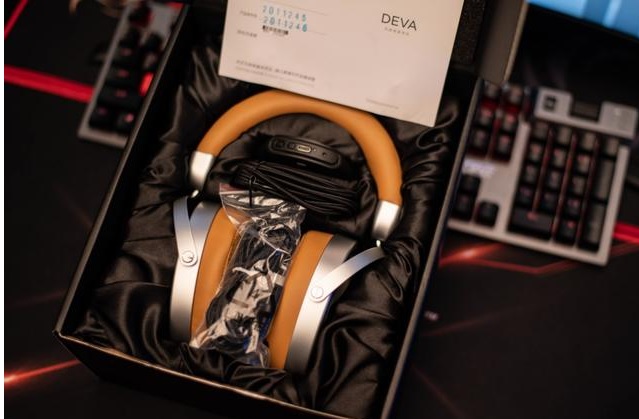
The HIFIMAN Deva headphones review verdict is straightforward: this is one of the most capable planar magnetic open-back headphones available at its price, and it backs that claim with genuine performance. Our team has spent extended time with the Deva across a wide range of music — jazz, classical, electronic, vocal recordings — and it consistently rewards careful listening. If anyone browsing our reviews is looking for an entry point into high-fidelity audio without committing to flagship prices, the Deva belongs on a short list.

The Deva uses a planar magnetic driver — a technology built around a thin membrane suspended between two arrays of magnets. Compared to conventional dynamic drivers, planar designs tend to produce faster transient response, lower distortion, and a more evenly tracked frequency curve. For listeners just beginning to explore higher-fidelity gear, our guide on how to choose headphones covers the differences between driver technologies and what each category actually delivers in practice.
What separates the Deva from most competitors at its price is the included Bluemini Bluetooth module — a detachable clip-on unit that allows the headphones to operate wirelessly without sacrificing the wired option. The open-back acoustic design, meanwhile, means sound moves freely in both directions. These are deliberately at-home listening headphones. Isolation is minimal, soundstage is generous, and the experience is built around a quiet, private environment.
Contents
From Casual to Critical: Understanding the Deva's Place in the Market
The First-Time Audiophile Experience
Most people stepping up from mainstream consumer headphones for the first time will find the Deva genuinely revelatory. The soundstage alone — that sense of music playing around the listener rather than inside the skull — is immediately noticeable. Details buried in familiar recordings start surfacing: room reflections, subtle backing instruments, the breath between vocal phrases. Our team finds this quality especially pronounced with acoustic recordings and well-mastered jazz albums, where spatial cues are richly preserved.
The Deva doesn't strictly require a dedicated amplifier to function. At 18 ohms impedance, it's relatively easy to drive by planar standards, and most listeners will pull adequate volume from a laptop headphone jack or a modern smartphone DAC. That said, "adequate" and "optimal" are meaningfully different here — more on that distinction later.
- Driver type: Planar magnetic
- Impedance: 18 ohms — low for planar, accessible for most sources
- Sensitivity: 93.5 dB
- Frequency response: 20Hz – 20kHz
- Weight: 360g without cable
- Connection: Dual 3.5mm detachable cables
What Experienced Listeners Will Notice
For listeners already familiar with audiophile gear — perhaps moving from something like the AKG K240 — the Deva represents a clear step forward in resolution and tonal balance. The midrange is particularly clean, with vocals sitting forward in the mix without sounding thin or artificially boosted. Treble extends well without harshness, though some listeners note it feels slightly relaxed compared to more forward-sounding planars from other manufacturers.
Bass response is honest and controlled rather than elevated. Planar drivers are known for tighter, faster low-end reproduction than dynamic designs — the Deva confirms this pattern. Sub-bass extension is present and measured, and bass-heavy genres remain enjoyable even if the headphone doesn't flatter them the way a V-shaped consumer headset might. Our team has also tested the Deva alongside several picks on our audiophile gaming headphones list, where its imaging precision makes it a surprisingly capable choice for positional audio in games.
Pro tip: The Deva's open-back design means sound bleeds in both directions — most people get the best experience in a quiet room where the full soundstage can unfold without ambient interference.
HIFIMAN Deva Headphones Review: Quick Spec Comparison

Placing the Deva alongside its closest competitors clarifies exactly where it sits in the current market. The three most commonly compared options are the Audeze LCD-1, HIFIMAN's own Sundara, and the Sennheiser HD 560S — each offering a different balance of price, sound character, and features.
| Feature | HIFIMAN Deva | Audeze LCD-1 | HIFIMAN Sundara | Sennheiser HD 560S |
|---|---|---|---|---|
| Driver Type | Planar Magnetic | Planar Magnetic | Planar Magnetic | Dynamic |
| Impedance | 18 ohms | 16 ohms | 37 ohms | 120 ohms |
| Sensitivity | 93.5 dB | 99 dB | 94 dB | 110 dB |
| Open / Closed | Open-Back | Open-Back | Open-Back | Open-Back |
| Wireless Option | Yes (Bluemini) | No | No | No |
| Weight | 360g | 250g | 372g | 240g |
Sound Signature Differences
The LCD-1 leans warmer and slightly darker — a richer, more enveloping presentation that some listeners prefer for long orchestral sessions. The Sundara has more extended treble and a more expansive soundstage, but costs meaningfully more. The HD 560S offers a lighter, more analytical sound from a dynamic driver, at a lower weight. The Deva lands in the center of this group — a balanced, neutral-to-warm character that doesn't dramatically color any genre while still sounding distinctly more resolving than mainstream alternatives.
Build and Comfort Considerations
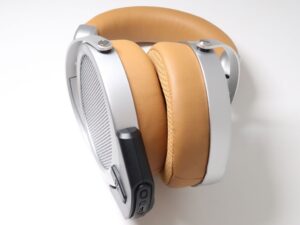
The Deva's headband uses a self-adjusting suspension design that distributes clamping force across a wider contact area. Most listeners find it comfortable for sessions up to three hours without fatigue. The earpads combine protein leather on the outer ring with a fabric mesh facing the ear — a practical hybrid that manages warmth better than full leather pads during extended wear. At 360g, the weight is typical for planar designs. Anyone who finds heavier headphones tiring over long sessions may want to factor this in before committing.

Caring for the Deva and Getting the Most from the Bluemini
Storage, Handling, and Long-Term Maintenance
Planar magnetic drivers are more durable than their reputation suggests, but the Deva still benefits from basic care routines. The earpads are removable and user-replaceable — most people find the stock pads remain in good condition for well over a year with minimal upkeep. Wiping them down with a slightly damp microfiber cloth after sessions helps prevent oil and moisture buildup that gradually degrades the material. Our team recommends storing the Deva in its included carrying case when not in use, primarily to shield the open driver grilles from dust accumulation.
- Wipe earpads monthly with a dry or lightly damp microfiber cloth
- Store in the included case to protect exposed driver grilles
- Avoid sharp temperature swings or high-humidity storage environments
- Inspect cable connections regularly at the 3.5mm termination points
- Budget for earpad replacement every 12–18 months of heavy daily use
The 3.5mm cable connection at the headphone side is a practical standard choice — replacements are inexpensive and widely available. For listeners who want broader context on headphone longevity across categories, our most durable headphones guide covers build quality expectations at different price tiers.

Using the Bluemini R2R Bluetooth Module
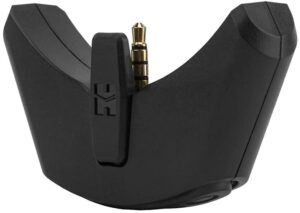
The Bluemini is the feature that sets the Deva apart from nearly every competitor at this price point. It's a compact module that clips onto the left earcup and handles Bluetooth decoding through an onboard R2R — resistor ladder — DAC. R2R decoding is typically found in standalone DAC hardware costing several times the Deva's price, so its inclusion here is genuinely unusual and worth acknowledging. The wireless sound quality holds up well for music listening, with a character that avoids the thin or compressed quality that affects lesser Bluetooth implementations.
Battery life runs to approximately eight hours per charge — enough for most extended listening sessions. Charging is handled via USB-C, and the module detaches cleanly when listeners want to return to wired operation. Latency is acceptable for music but isn't optimized for video playback where lip-sync alignment is critical. For anyone weighing whether the wired or wireless experience better suits their habits, our detailed breakdown of wired vs wireless headphones covers the practical trade-offs in full.
Clearing Up Common Misconceptions About Planar Magnetic Headphones
The "Impossible to Drive" Myth
Planar magnetic headphones carry a long-standing reputation for being power-hungry — demanding expensive amplifiers before they sound their best. That reputation doesn't fully apply to the Deva. According to Wikipedia's overview of planar magnetic headphones, driver efficiency has improved substantially as manufacturing has matured, and the Deva's 18 ohm impedance sits at the accessible end of the planar spectrum.
The Deva does scale with amplification — bass tightens, the soundstage gains air, and overall composure improves with a dedicated headphone amplifier or DAC/amp combination. But the improvement is meaningful rather than transformative. Most people get genuinely enjoyable results from a quality dongle DAC or a mid-tier portable amp. For those seeking more output from any headphone without additional hardware purchases, our guide on how to make headphones sound louder covers practical options across different source types.
The "Open-Back Means Fragile" Myth
A common assumption is that open-back headphones are inherently delicate because the driver sits exposed rather than enclosed. In practice, the Deva's metal grilles provide meaningful physical protection, and the planar driver itself eliminates several failure modes that affect dynamic designs. There's no voice coil to blow, no spider assembly to loosen, and no surround to crack under temperature cycling.
- Planar membranes don't carry the coil-failure risk of dynamic drivers
- The driver structure is stable across normal listening volumes and temperatures
- Most long-term Deva owners report consistent performance without driver degradation
- Primary wear items — earpads and cables — are both user-replaceable
Open-back is an acoustic design choice, not a durability compromise. The real constraint is social: these headphones work in quiet, private spaces and don't belong in shared or noisy environments. That's a usage consideration, not a build quality shortfall. The Deva is a well-constructed instrument for a specific purpose — home listening — and it performs that role reliably over time.
The HIFIMAN Deva proves that planar magnetic audio doesn't require flagship spending — it just requires understanding that an open-back headphone is a purpose-built tool, and using it accordingly.


About Simon B.
Simon here is an audiophile that loves to try out new audio equipment and loves to listen to different genres of music. Being an active student of Audio Electronics, He is more than capable of discussing different elements of headphones. A Powerful Music Can Change The Tone Of Your Heart, That Is The Real Power Of Music.
Get FREE Headset Gifts now. Or latest free Music Guide from our best collections.
Disable Ad block to get all the secrets. Once done, hit any button below